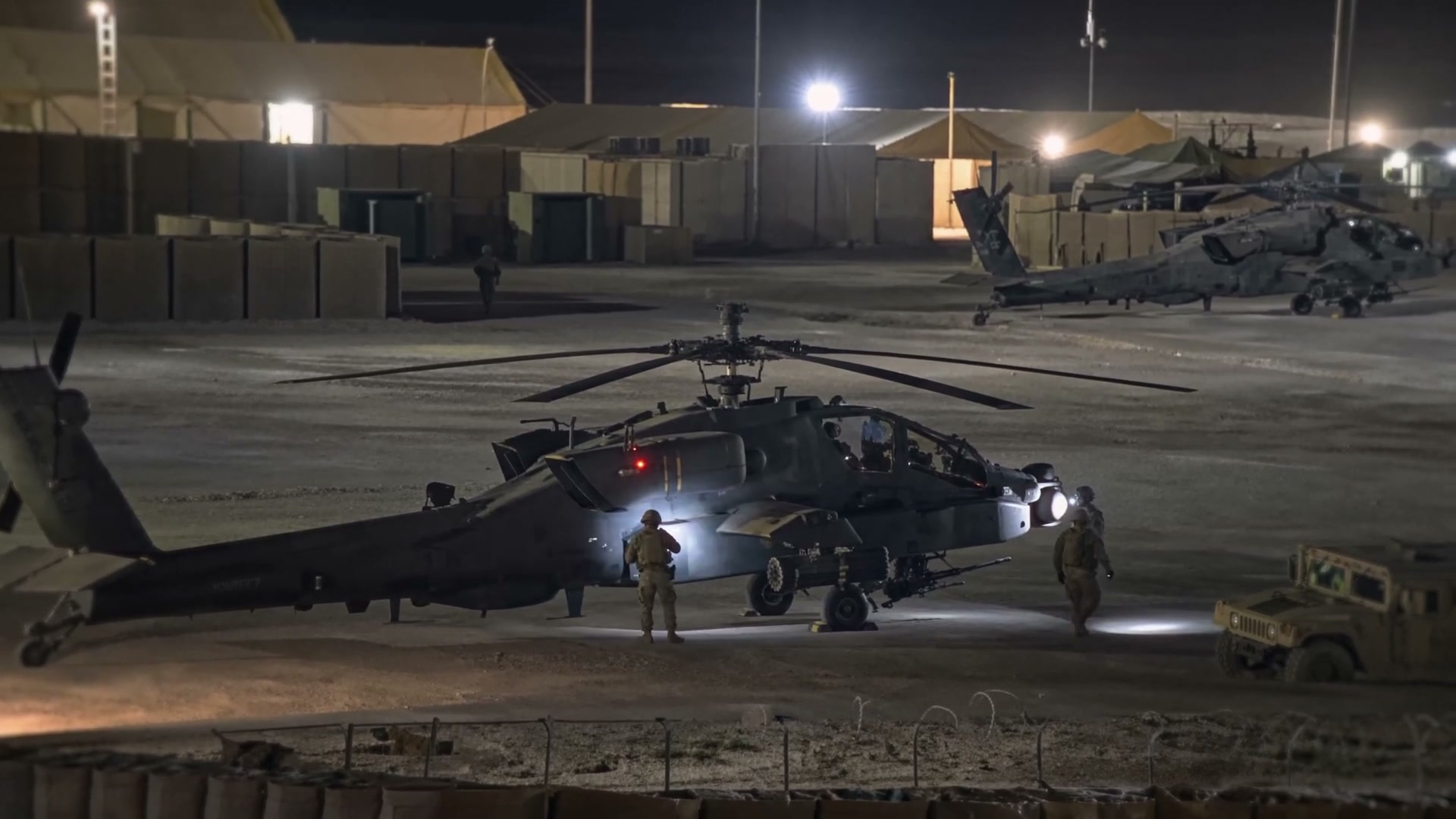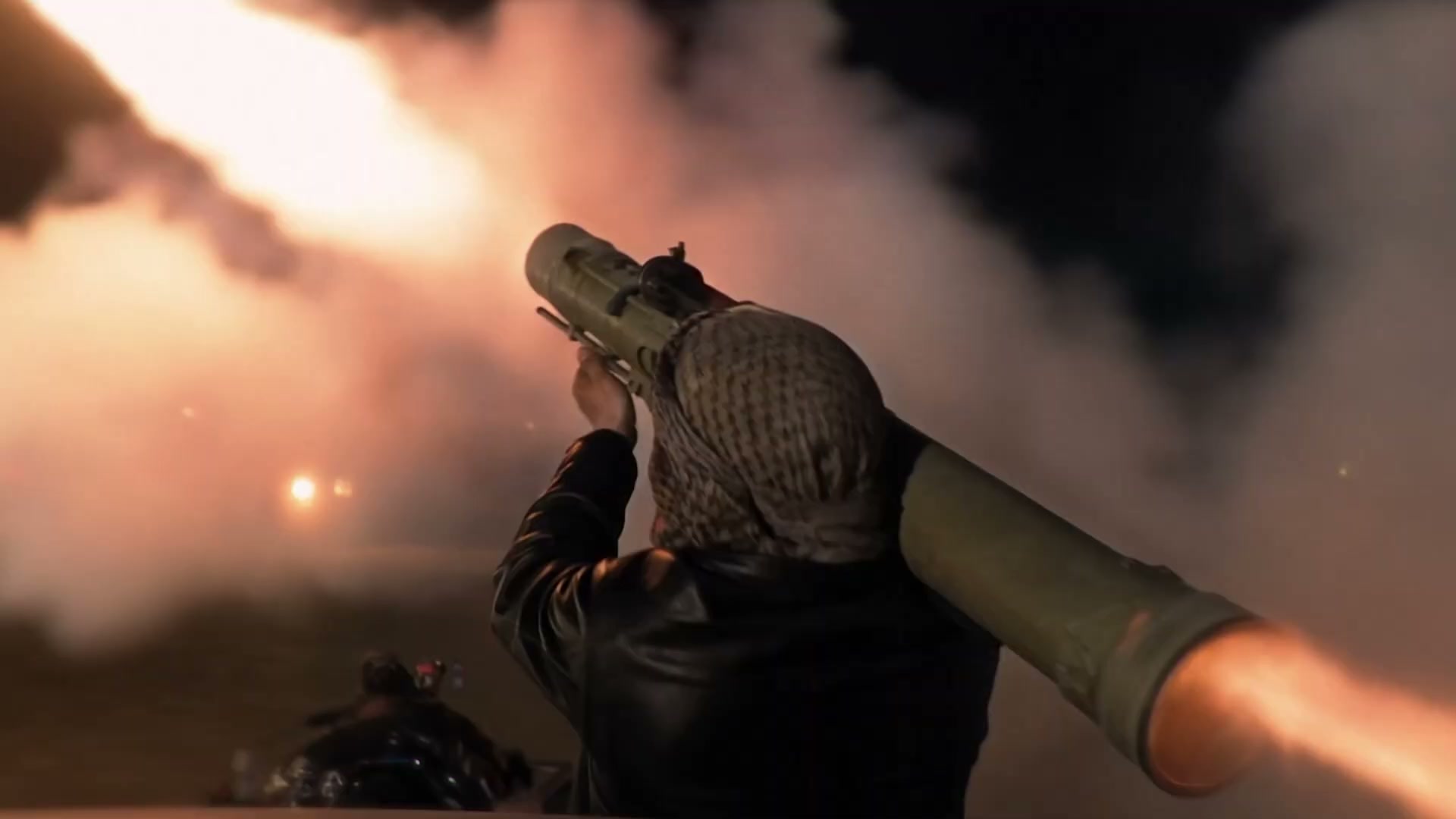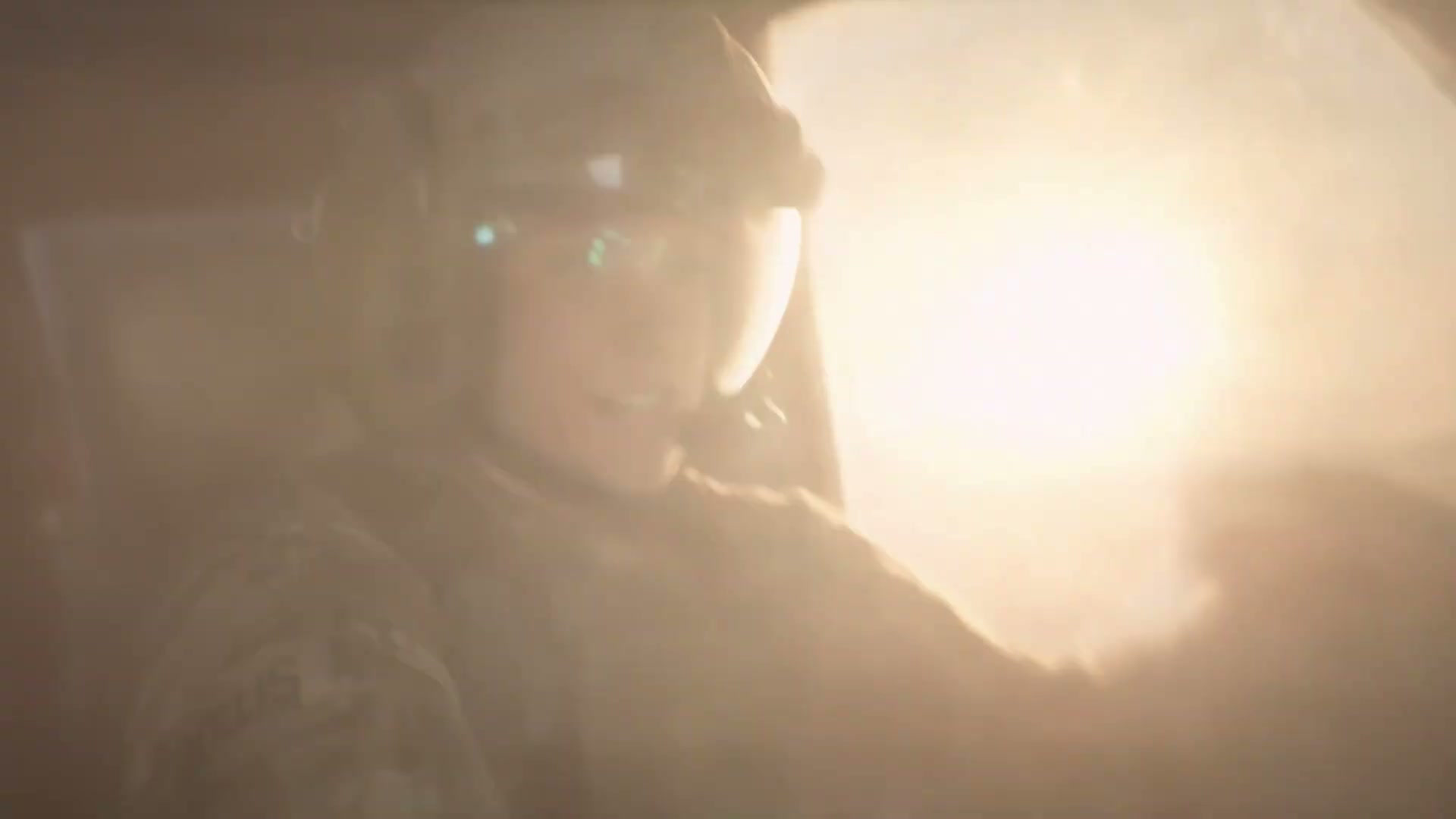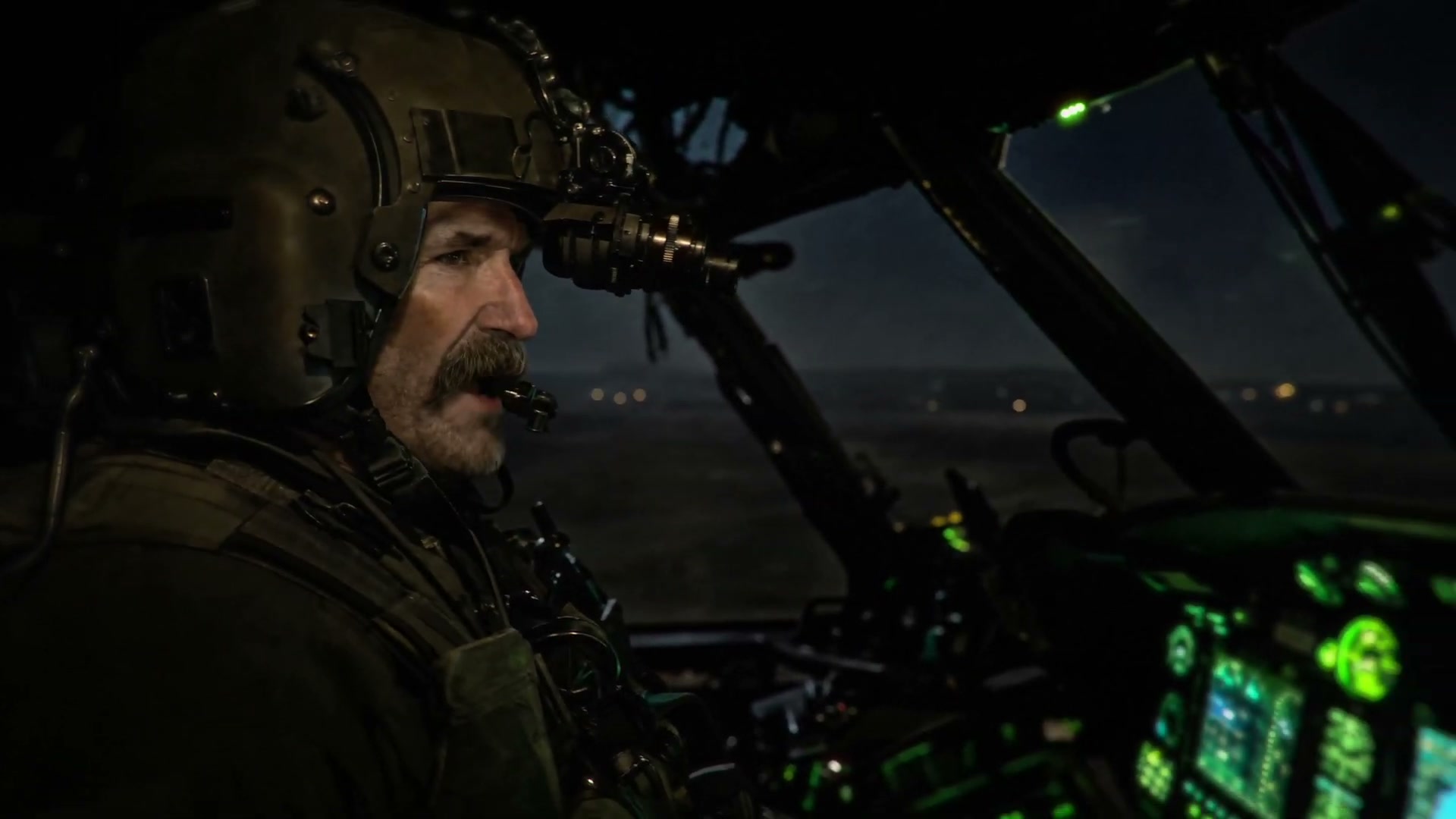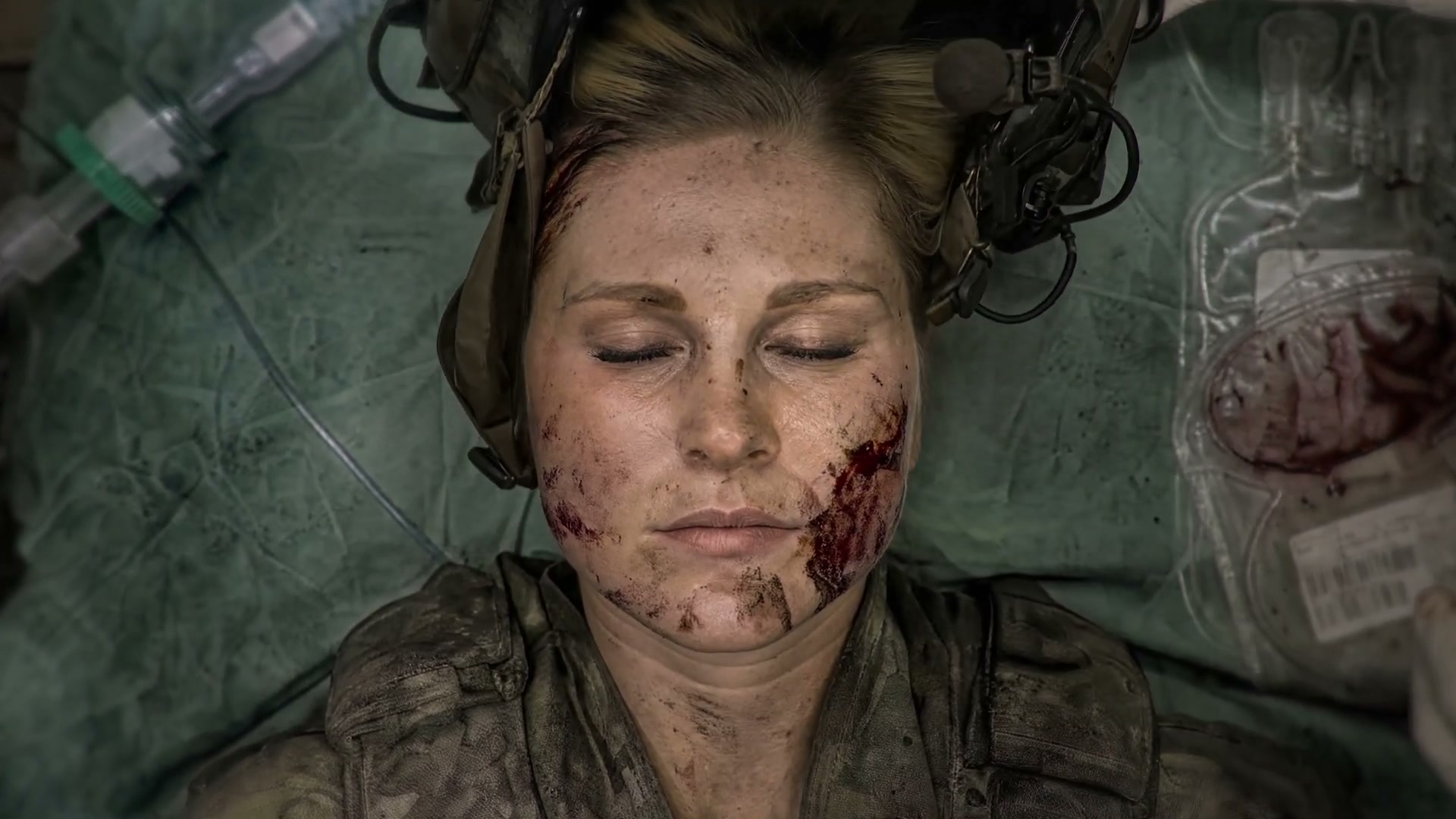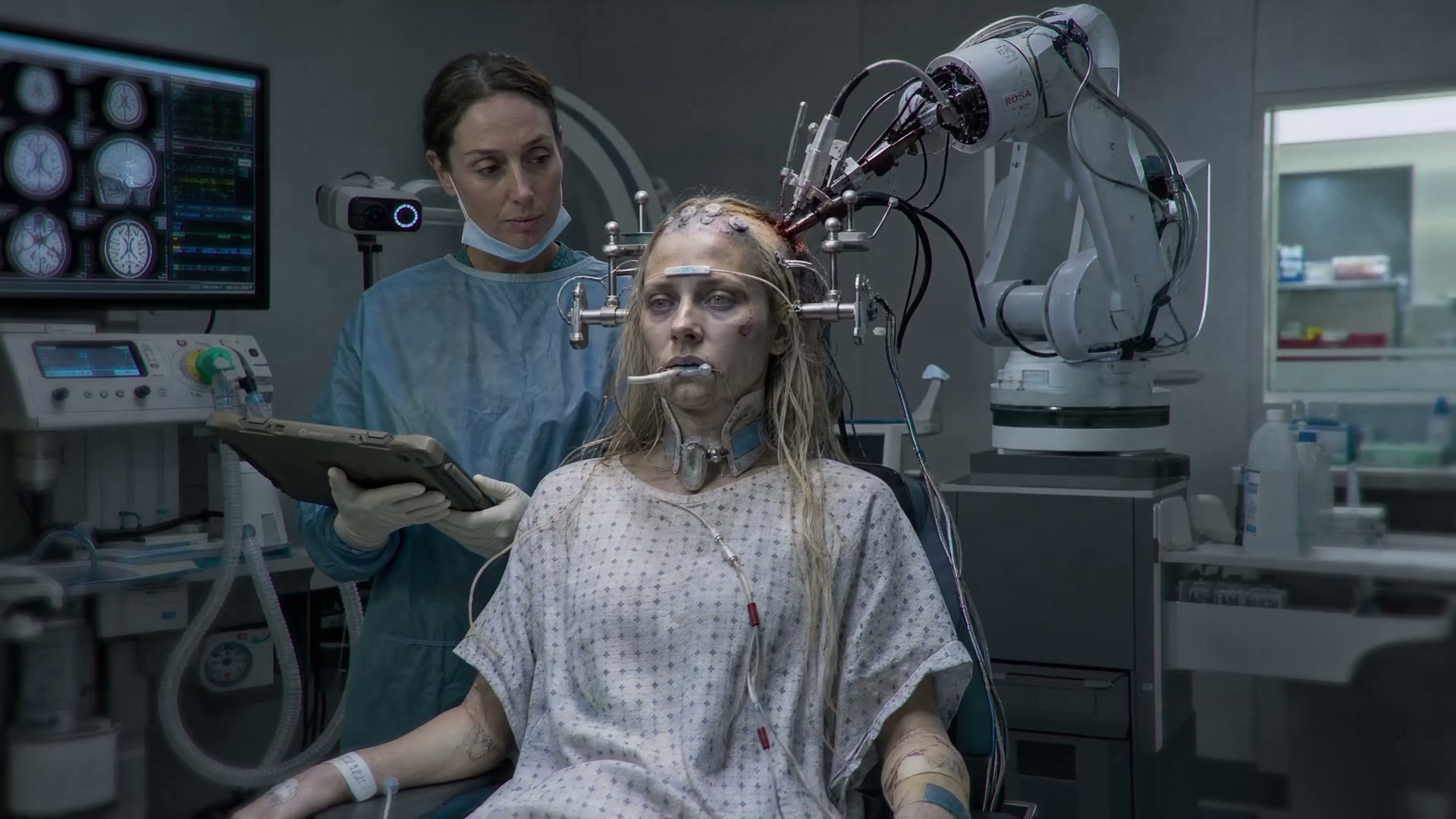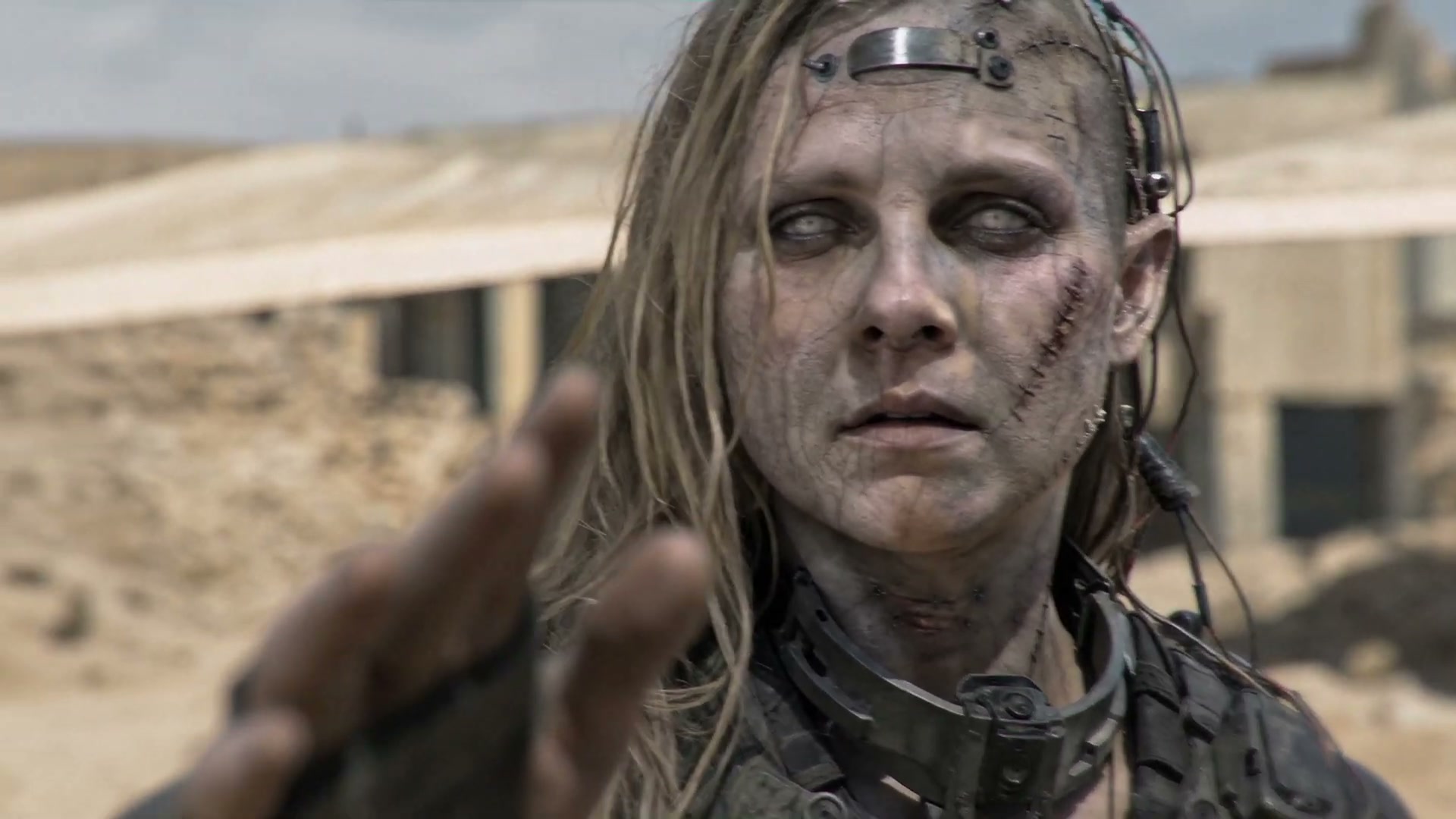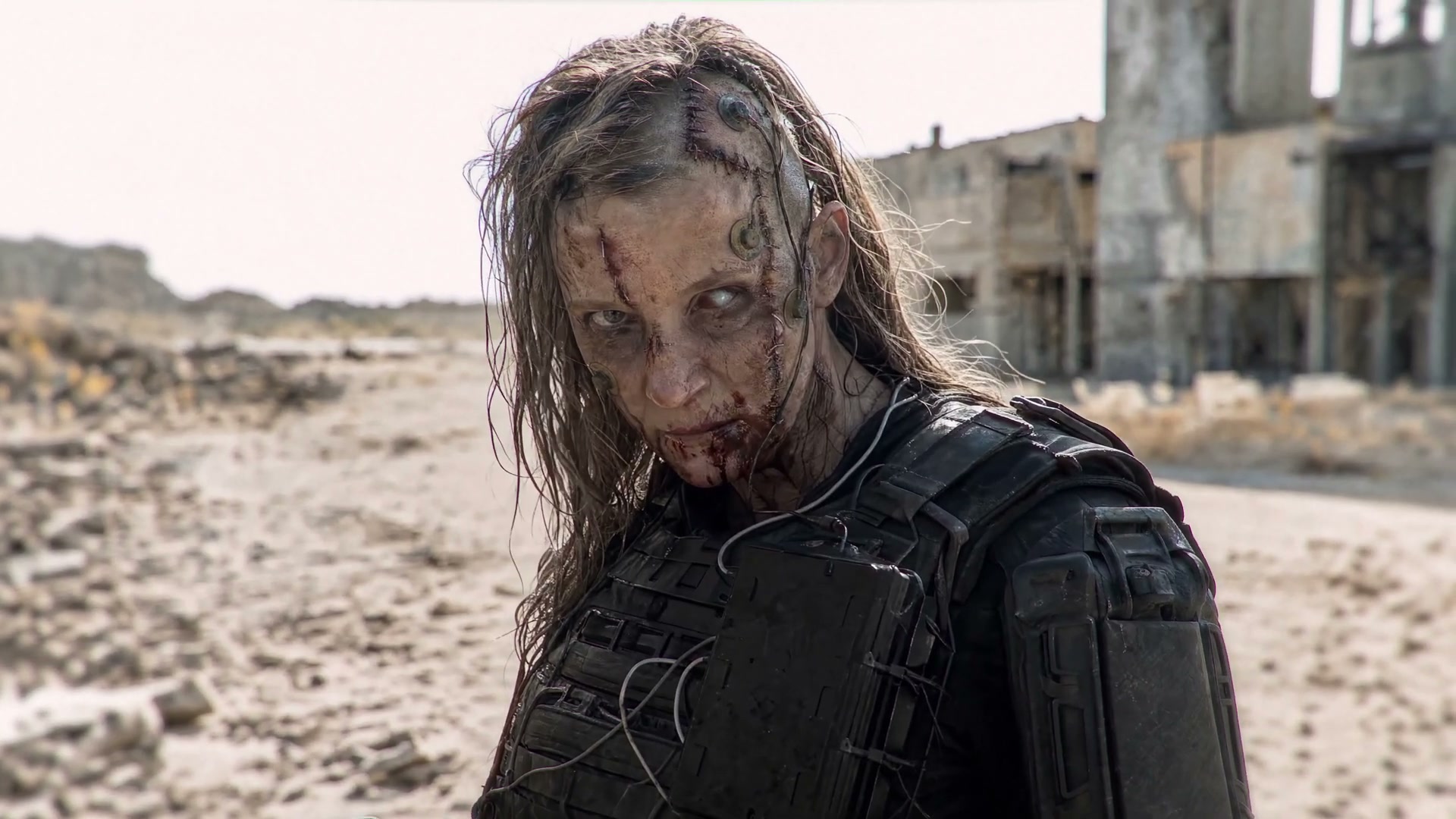
On July 20, 2026, Neill Blomkamp, the director who turned a $30 million mockumentary about aliens in Johannesburg into a Best Picture nominee, posted a 13-minute film to YouTube and, almost in passing, announced a new film studio. The film is NIGHTBORNE, a documentary-style sci-fi horror short. The studio is Barley Studios. The catch, or the point, depending on where you sit, is that every frame of NIGHTBORNE was generated with AI.
"NIGHTBORNE is the first full test AI film I have made," Blomkamp wrote on X. "I've been experimenting with AI for a couple of years, and it's now at the point where I want to tackle a full feature in this format. This is a 13-minute test start."
What NIGHTBORNE actually is
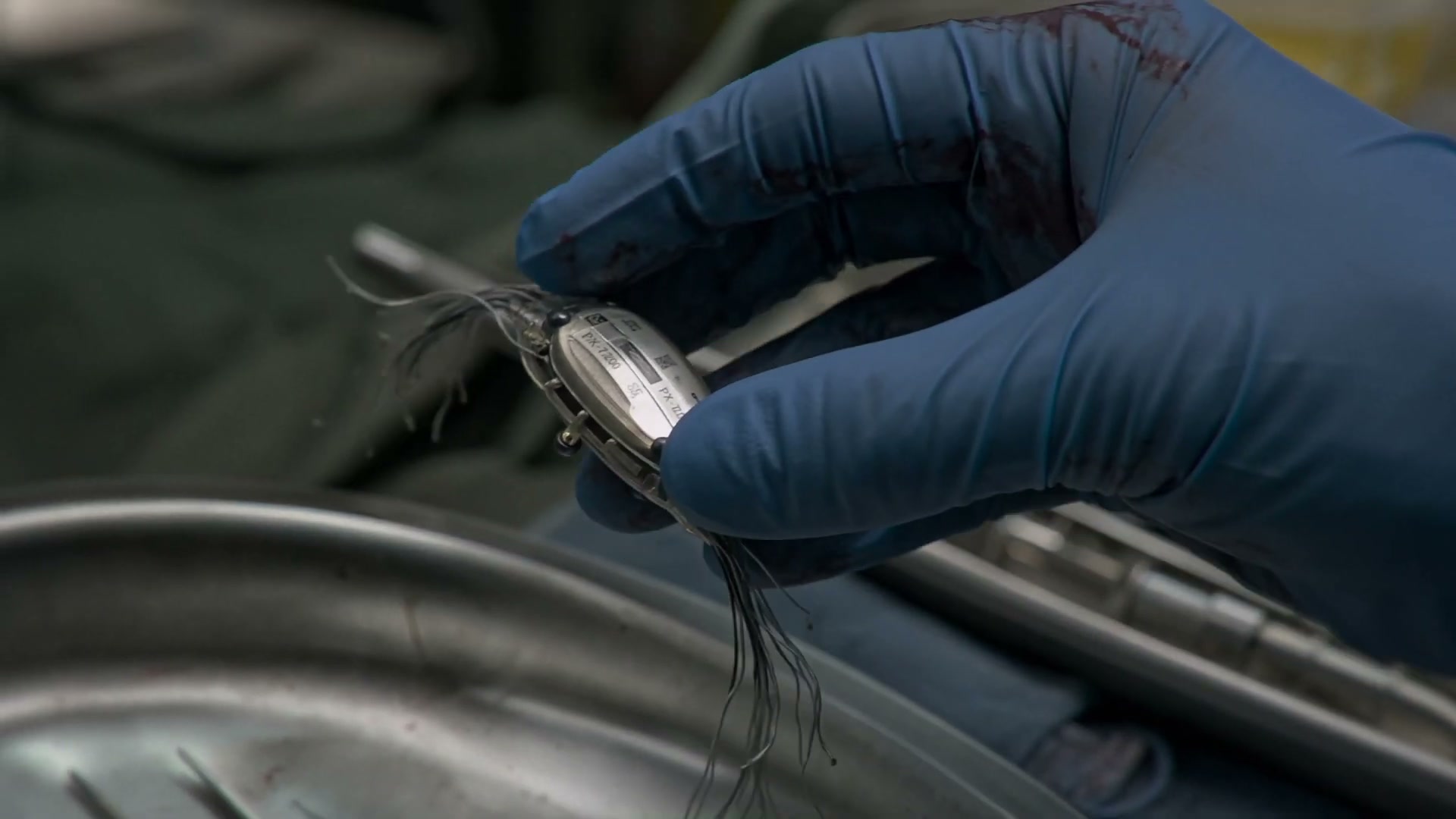
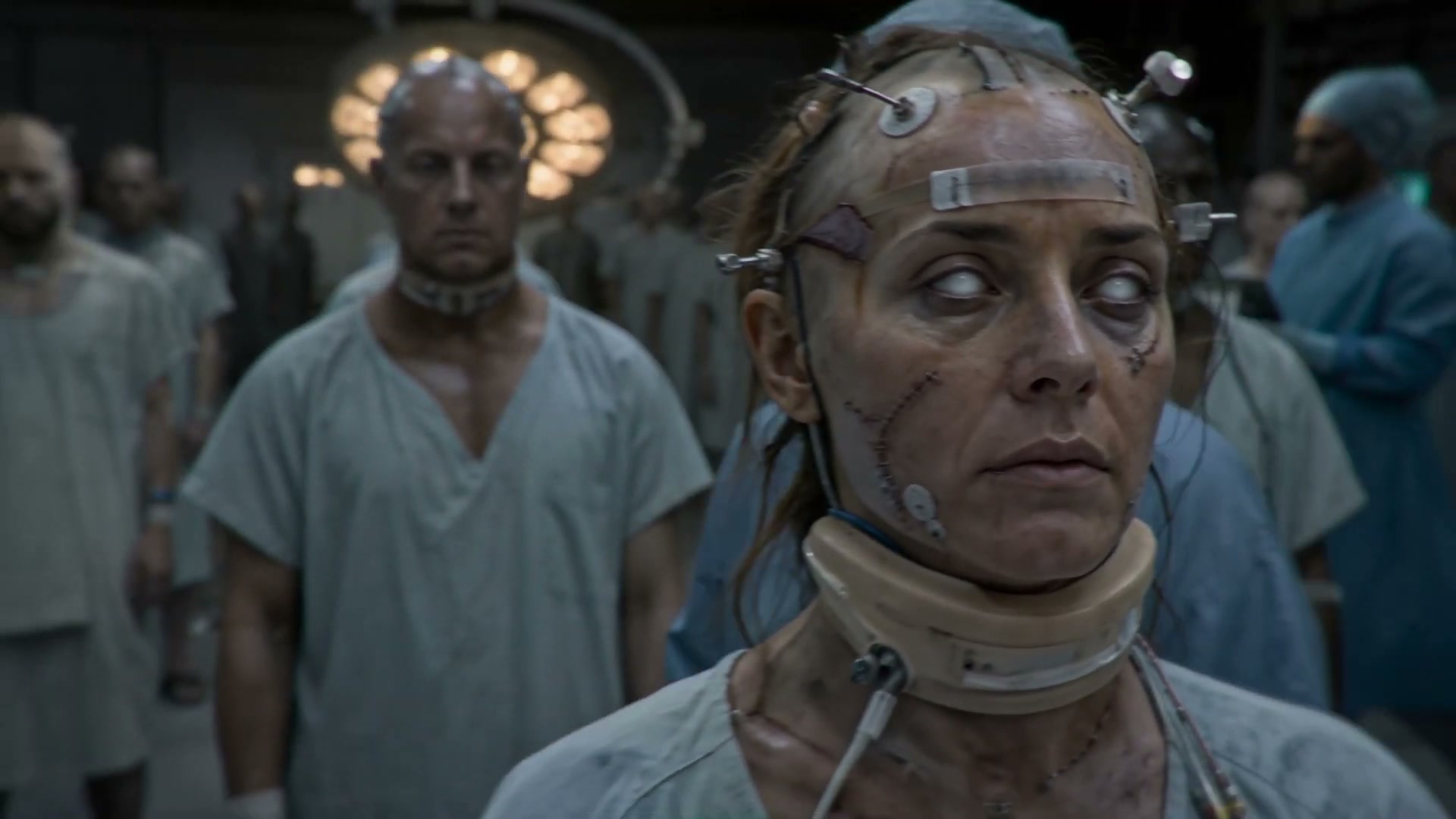
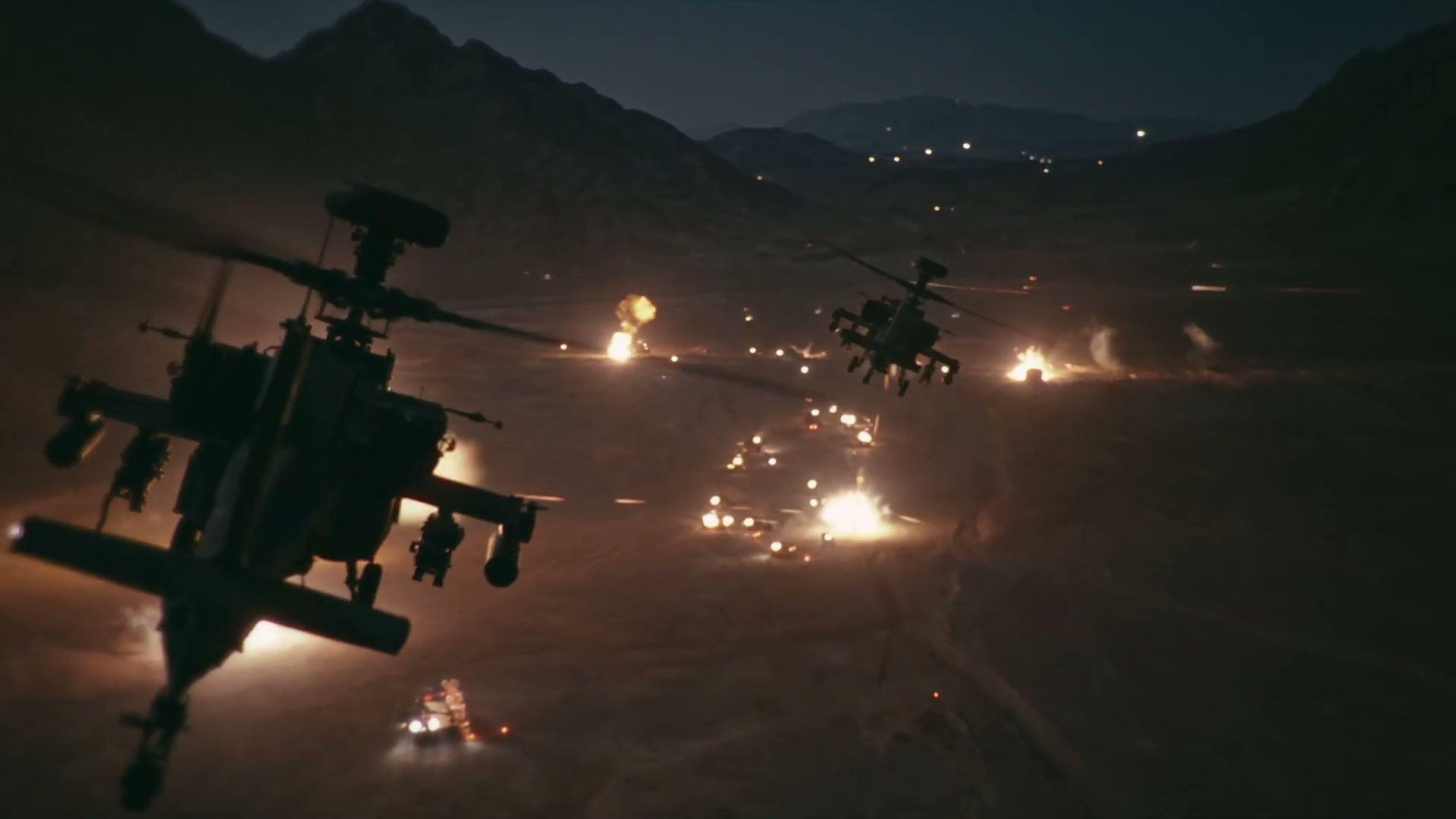
NIGHTBORNE is told as a documentary: talking-head interviews, recovered program footage, and the recordings of a scientist who walked out of a classified defense program. A U.S. Army pilot is shot down over Syria and declared killed in action. Her husband buries an empty casket. The tapes say otherwise: the program puts dead soldiers back on the battlefield. The film is set in the universe of Peter Watts' novel Echopraxia, and it escalates from grounded military realism into exactly the kind of body horror Blomkamp has built a career on.
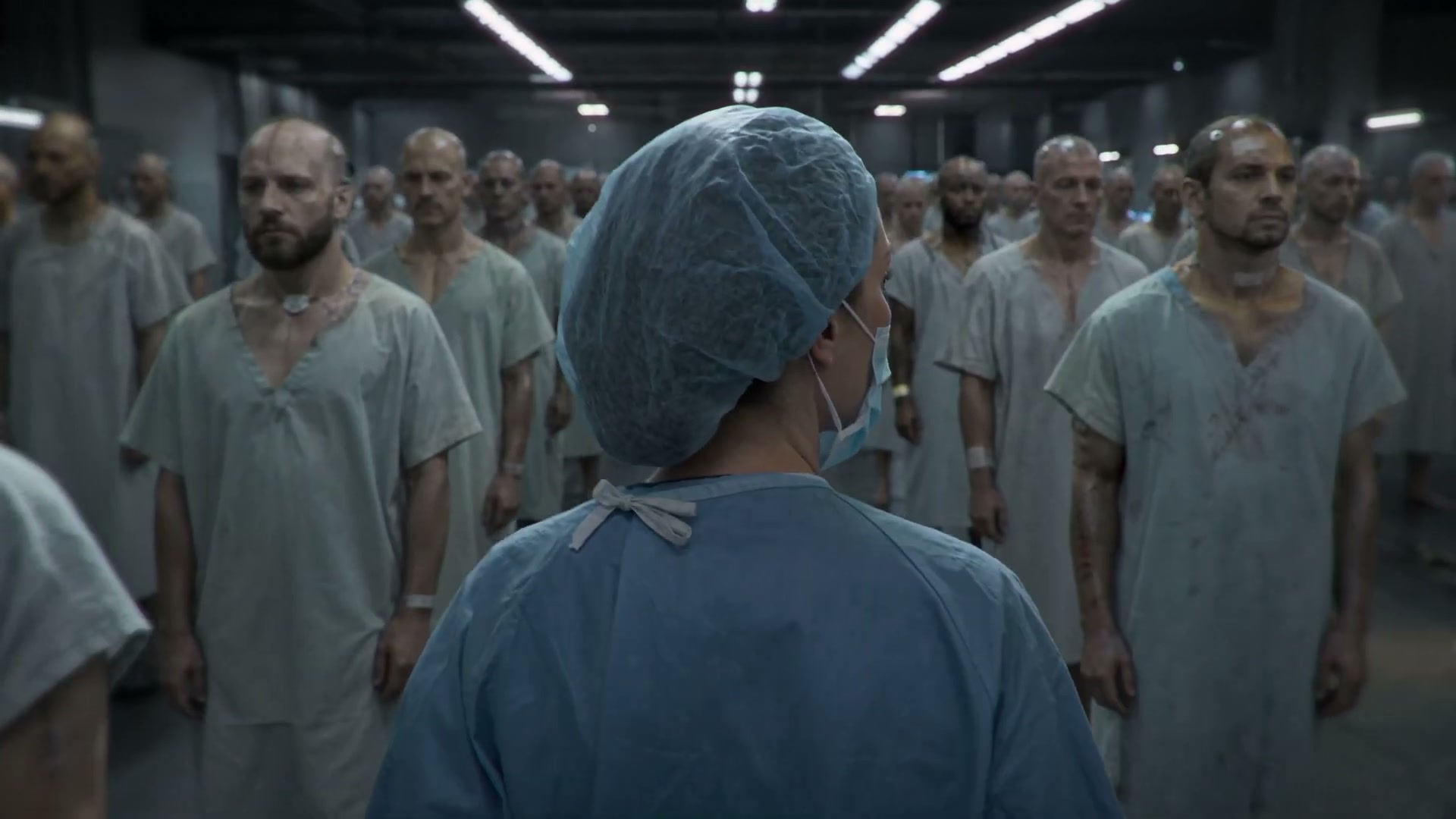
The production details matter more than the plot. Every shot was generated in Seedance 2.0, ByteDance's video model, and directed shot by shot by Blomkamp through prompts. The characters on screen carry the faces and voices of 32 real people, photographed and voice-recorded under likeness agreements. The concept art is by human artists (Nikolas Gekko and Werner Pretorius, per the credits). The film is produced by Steven St. Arnaud and Terri Tatchell, Blomkamp's longtime collaborator and District 9 co-writer, and edited by Austyn Daines, in association with Havenhurst Entertainment.
That crew list is the tell that this is more than one person typing prompts into a box. It is a small, deliberately structured production company where generation replaces cameras, sets, and most of the crew, but not the concept artists, the editor, the producers, or the 32 people who licensed their faces.
The director who's been burned by the gates
Blomkamp's career is practically a case study in gatekeeping. He was plucked from making shorts to direct the Halo movie with Peter Jackson producing — until the studio deal collapsed. The consolation prize became District 9 (2009), made for around $30 million, which earned four Academy Award nominations including Best Picture. Then came Elysium (2013) and Chappie (2015), both mid-budget studio sci-fi. Then his Alien sequel (concept art beloved, Sigourney Weaver attached, fans desperate) was shelved by Fox. He spent 2017 releasing experimental shorts (Rakka, Firebase, Zygote) for free online through Oats Studios, his own testbed for making films outside the system, before returning to features with Demonic (2021) and Gran Turismo (2023).
The Oats era also contains the clearest precedent for what Blomkamp just did. In late 2017, Oats Studios partnered with Unity to make ADAM: The Mirror and ADAM: Episode 3 (The Prophet), narrative short films rendered entirely in real time in the Unity game engine, continuing the story of Unity's 2016 ADAM demo. The two shorts were made back-to-back by a team of roughly 25 people in about six months, using photogrammetry and digital humans in place of sets and actors. The pitch then was the same as the pitch now: collapse the cost and headcount of photoreal filmmaking with new rendering technology, keep creative control, and publish directly to the audience. NIGHTBORNE is the third step on that arc, from traditional VFX (Oats' shorts) to real-time CG (the ADAM films) to generative AI (Barley), and each step needed fewer people and less money than the one before.
Barley Studios is explicitly the sequel to that experiment. "Barley Studios will be my new AI studio for creating my own films, the way Oats Studios was for traditional film and VFX," Blomkamp wrote. Oats needed a VFX house's worth of artists and Sharlto Copley volunteering weekends. Barley needs a video model, likeness agreements, and a handful of collaborators. It published a 4K film straight to YouTube with no studio, no distributor, and no greenlight meeting.
"The friction is gone": the gatekeeper argument
Within hours of the release, game developer and former Blizzard team lead Mark Kern, who posts as Grummz, put a blunt frame on it: creatives are choosing AI because traditional production is friction. Big films and games mean investors who get a say, and huge teams that must not only accept a director's vision but understand and believe in it enough to execute it. "Hundreds of devs dilute the vision. AI is much closer to author's intent," he wrote. "With AI that friction is not just reduced, it's gone."
You can argue with the framing; plenty will, and the collaborative friction Kern describes is also where a lot of filmmaking's best accidents come from. But it's hard to name a director for whom the argument lands harder than Blomkamp, whose two most famous films are ones he never got to make. Halo died in a standoff between studios. Alien 5 died in a boardroom. NIGHTBORNE, whatever you think of it, could not have been killed by anyone. That is a new condition for a filmmaker of his stature, and other directors with dead passion projects are watching.
Hollywood's calculus is shifting
Blomkamp isn't an isolated data point. In late May, at Amazon's "AI on the Lot" event in Culver City, Gareth Edwards, director of Rogue One, The Creator, and Jurassic World Rebirth, spoke about generative AI with striking enthusiasm for a working A-list director, calling it "so clearly a tool that might be up there with the camera" and describing his nine months of experimenting with diffusion models. It has no taste of its own, he said, but it's "like having a second-unit director who is a billionaire on acid" — an unlimited iteration engine for discovering what a movie should be. Edwards said he wants to eventually make a hybrid generative AI film.
Put the two directors side by side and you get the two postures Hollywood is now choosing between. Edwards represents AI inside the pipeline: a tool for iteration, previsualization, and discovery, with traditional production still doing the final work. Blomkamp just demonstrated AI as the pipeline: the generation is the cinematography, the likeness agreement is the casting, and YouTube is the distribution.
What this means for the people who make films
This site tracks jobs, so here is the labor picture NIGHTBORNE sketches:
- Likeness licensing is becoming a real, paid category of work. Thirty-two people were photographed and voice-recorded under agreements to appear in this film. That's a new kind of performance gig, somewhere between acting, modeling, and stock licensing, and someone has to negotiate, paper, and manage those deals.
- Concept artists survived the cut. Blomkamp led his announcement with "made with real concept artists." In a fully generated pipeline, the artists who define what things look like become more load-bearing, not less.
- Editorial and production survived too. The film has a credited editor and producers. Taste, structure, and pacing don't come out of the model.
- The prompt-director is now a demonstrated craft. "Directed shot by shot through prompts" is a sentence that describes a real workflow with a real 4K deliverable behind it.
- The pressure lands on physical production: camera crews, gaffers, location departments, stunt teams, and much of traditional VFX, the hundreds of roles a normal shoot of this material would have employed.
- The gate moves from greenlight to attention. When distribution is a YouTube upload, the scarce resource is the audience's interest, not a studio's money. Marketing, community, and audience-building roles gain value.
Our take
The significance of NIGHTBORNE is the org chart, not the shots, though many are impressive. A name-brand director looked at the current state of video models and concluded the right structure for his next decade is a tiny studio with a handful of human collaborators, licensed faces, and a direct line to the audience, then proved the unit economics with a 13-minute film and said the feature is next. Whether audiences embrace fully generated films is still an open question; NIGHTBORNE's real test is the feature. But the people who decide what gets made just lost their monopoly on deciding, and that reshuffles who gets hired, for what, by whom. That's the story we'll keep tracking.