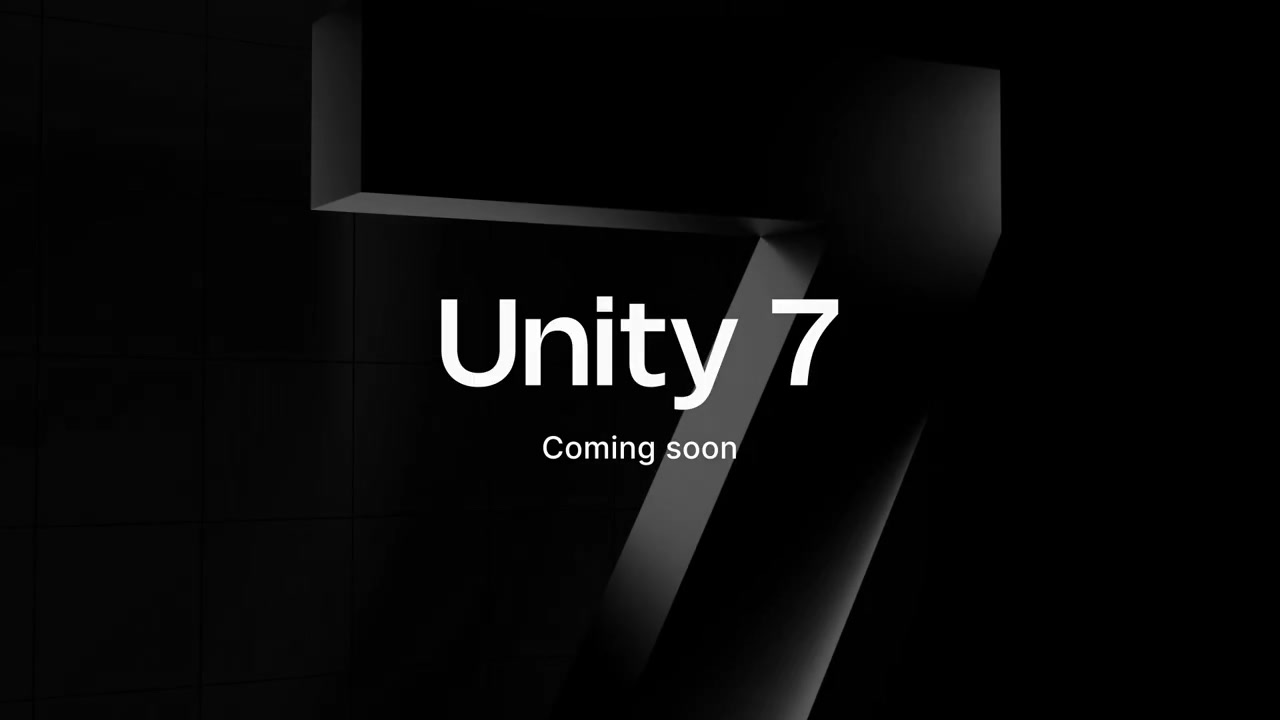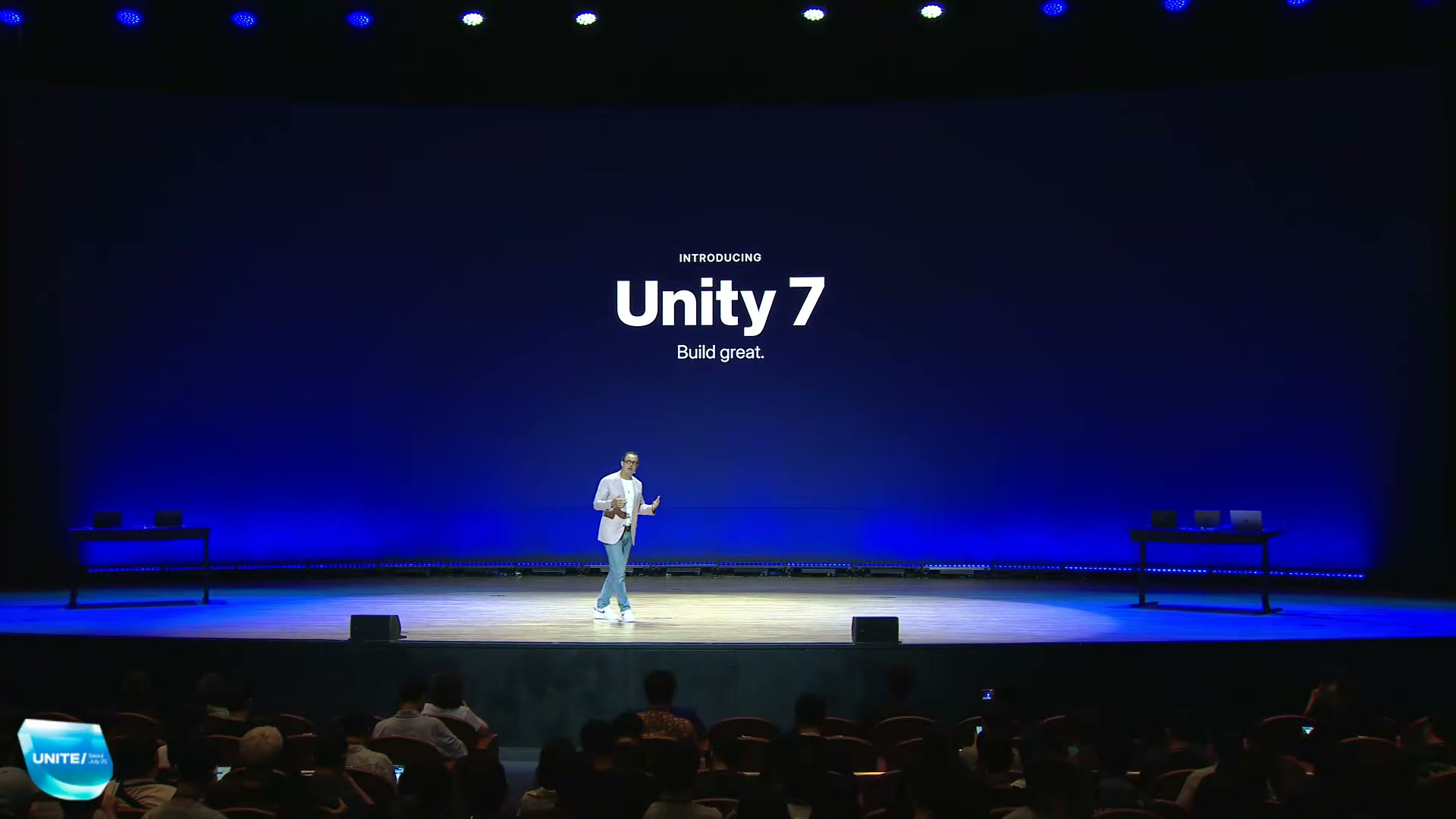
On July 20, 2026, at its Unite Seoul keynote, Unity announced Unity 7, the first new major version of the engine since Unity 6 and the company's biggest release since it nearly burned its community down with the runtime-fee debacle. The headline facts: Unity 7 enters beta in December, ships in Q1 2027, and carries zero breaking changes from Unity 6. CEO Matt Bromberg called it "the biggest leap we've ever taken as a company."
But read past the version number and a different story emerges. Almost every announcement on that stage (a new CLI, a free MCP server, a public API, live code reload on device, on-device neural inference, AI-generated ad creatives) points the same direction: Unity is rebuilding itself as a platform where AI agents are first-class users of the engine, alongside the humans. "Game creation has evolved, with diverse teams of creators and coding agents now working side by side across every part of the craft," Bromberg told the Seoul audience, "and we need to evolve with it."
We watched the full 93-minute keynote, read the launch posts, and pulled the demos apart. Here's everything announced, organized by topic and ranked by how much it matters to GenMedia and GenAI developers and artists, most interesting first.
1. Agents become first-class Unity users: the CLI, a free MCP, and a live C# REPL
The single biggest announcement for anyone building AI-assisted creative tooling is the Unity CLI, available now in beta. It's a standalone `unity` binary that installs editors, manages projects, and authenticates, but the real payload is the experimental com.unity.pipeline package that comes with it. Add it to a project and a running Editor (or a development build of your game, on device) becomes a programmable target: any static method in your project becomes a terminal command via a [CliCommand] attribute, and `unity command eval` runs arbitrary C# inside the live Editor via Roslyn and hands back the result in milliseconds. It's a REPL into a running game engine.
Unity's blog is explicit about who this is for. AI assistants "can generate a gameplay script but can't run the tests to see if it works," writes Etienne Whittom, Unity's VP of Authoring Platform. The CLI closes the loop with structured JSON output and exit codes an agent can parse, a self-describing Editor that reports its own available commands, and eval reaching "whatever API your project can call": rendering, physics, animation, the asset database. In Unity's launch demo, an agent takes a plain-English bug report ("the player sometimes falls through the floor"), inspects the live scene with eval, finds a disabled collider, re-enables it, and re-enters Play mode to verify its own fix. That's the shift, in Unity's words, "from an assistant that suggests to one that can verify."
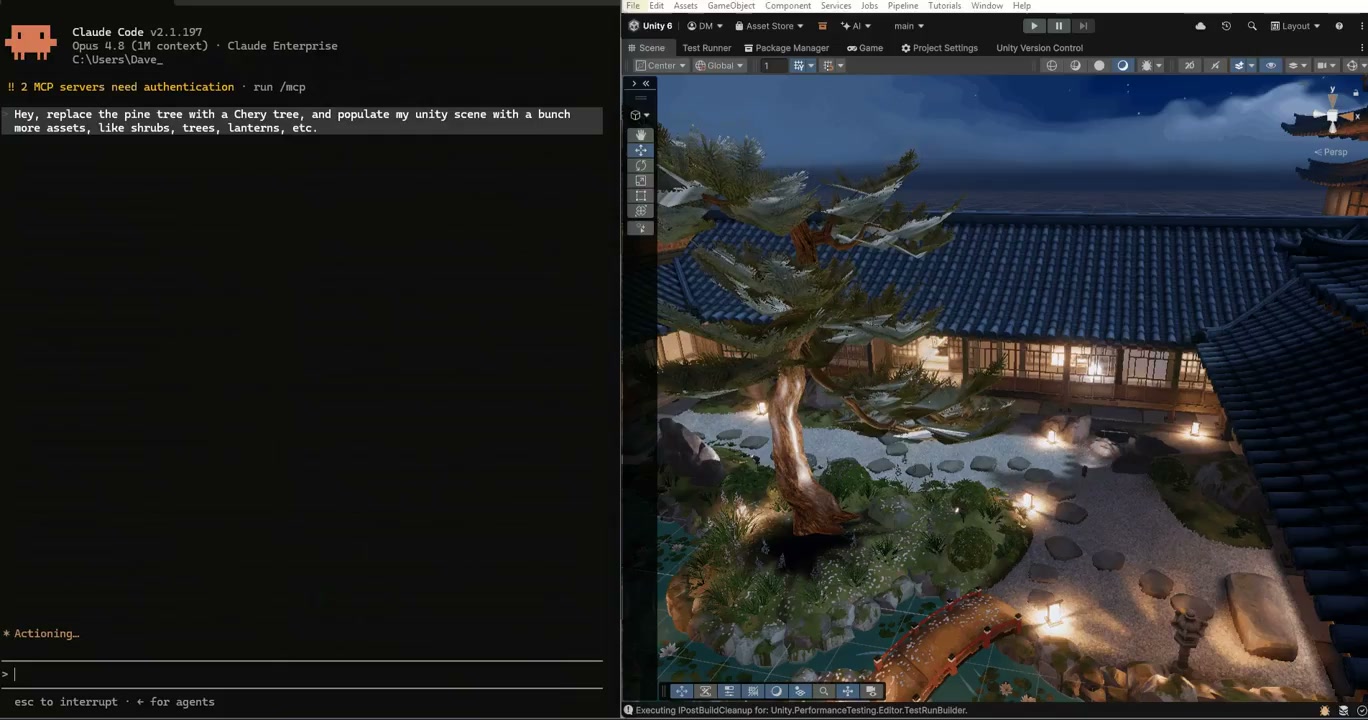
Both tools are now free: Unity's MCP server and the CLI cost nothing, MCP has no concurrency limits, and the CLI ships an "MCP Mode" so existing MCP-based agent setups keep working. "We want to remove barriers to innovation," the company posted. Unity's own launch video for the CLI shows Claude Code, labeled Opus 4.8 with a 1M-token context, restyling a Japanese garden scene from a one-line prompt. When an engine vendor demos its flagship developer tool through a third-party coding agent, it's telling you where it thinks the next generation of users is coming from.
2. The Editor opens to everyone, including the agents
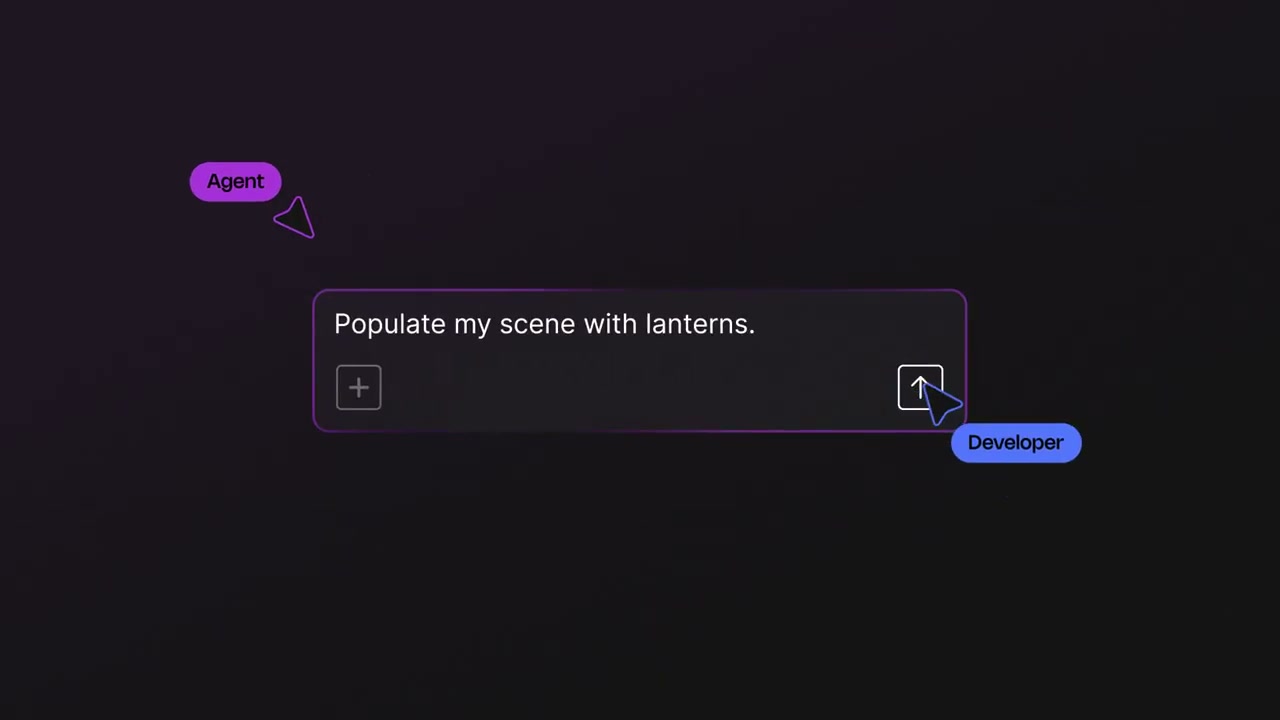
"For 20 years, the Unity Editor is where a whole generation of games has taken shape. But a game isn't built in the Editor alone." That's how Unity framed its second-biggest reveal: a REST API and set of cloud services that open a Unity production to people and tools that never install the Editor. Producers review the real game, actual renders with lighting, shaders, animation, and physics, in a browser via the new scene preview. Artists drag a corrected texture into a web dashboard and it lands in version control. And agents are named explicitly as a supported role: the launch video shows an "Agent" cursor typing "Populate my scene with lanterns" alongside Developer, Artist, and Producer cursors in a shared production.
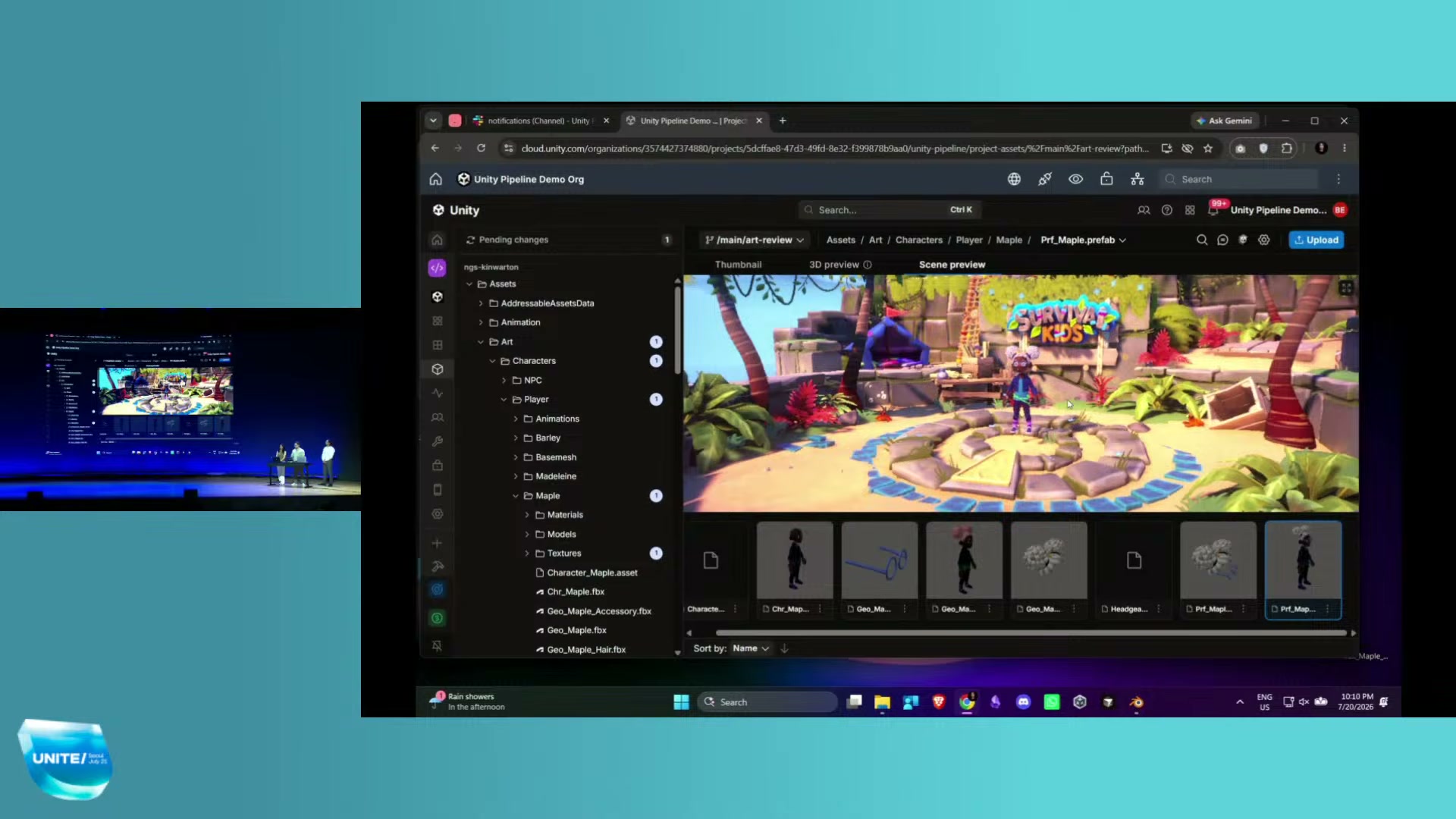
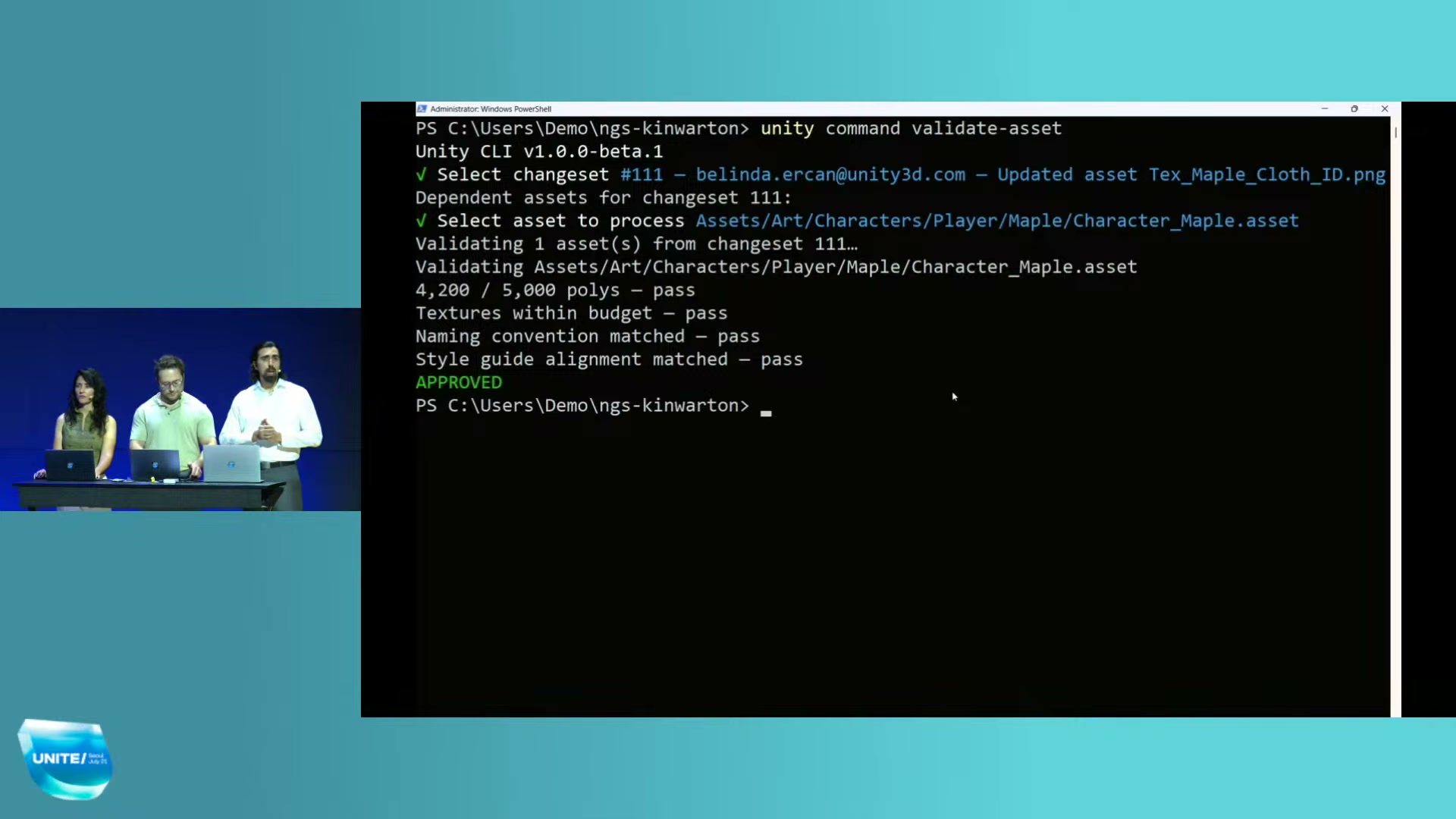
In the live demo, a developer playtesting Survival Kids on a Nintendo Switch 2 spots a broken jacket texture, tags an artist from the Editor, and the artist fixes it from her own machine via the web. The fix is validated with a custom CLI command (poly budget, textures, naming convention, style-guide alignment: APPROVED), pushed to the cloud, and hot-loaded onto the running Switch build without anyone reopening the Editor. The workflow runs on Unity 6 today; the API, web dashboard, CLI, web uploads, and deep links are in closed beta now, with public availability beginning November 2026. GitHub and Unity Version Control are supported at beta, with more source-control providers coming. For studios wiring generative asset pipelines into production, where a model output needs review, validation, and a path into the build, this is the access layer that used to require custom glue.
3. Live code iteration: hot reload on device, with agents in the loop
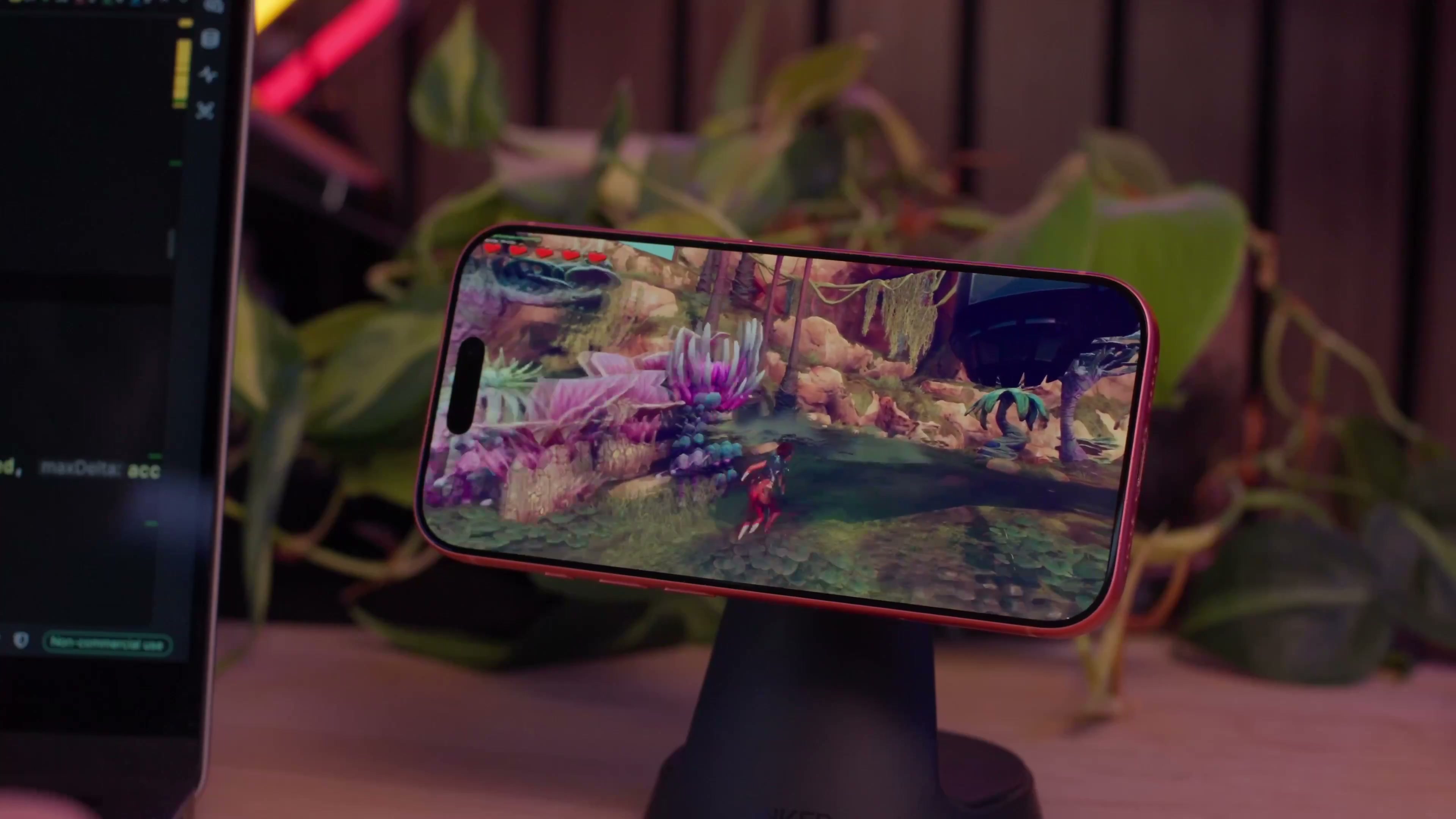
The keynote's closing demo drew the loudest reaction. Live code iteration lets you change gameplay code and see it running on a device immediately, with no rebuild and no redeploy. In the demo, Will Goldstone tuned run speed, tripled jump height, and added a double-jump to a development build running on an iPhone, hitting save between each change and feeling it on the device within seconds via a file-watching "code watcher."
The GenAI angle came as an aside that deserved its own slide: "You could have multiple agents acting on your scripts at once, and saving changes whilst you playtest live on the device." That's a new creative loop, a human holding the phone and feeling the game while agents apply the changes being described. It ships in Unity "this year," with the first release focused on changing code within methods.
4. Unity Neural: on-device neural rendering enters the pipeline
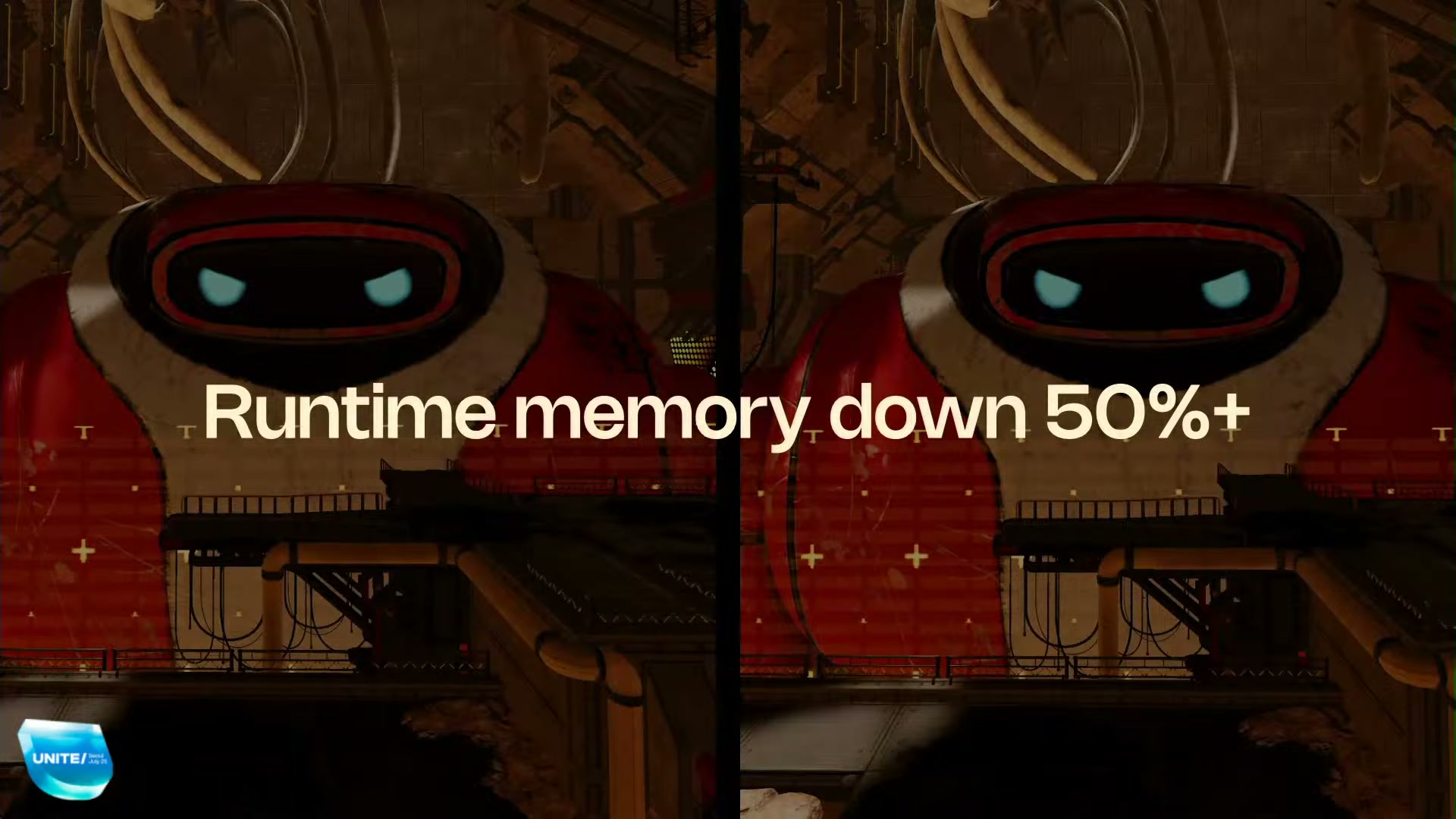
Unity announced Unity Neural, "a class of new technologies designed to accelerate the entire Unity compute pipeline through neural inference," integrated into URP rather than bolted on. The first pieces are a rebuilt upscaler framework bringing hardware partners' neural upscalers into Unity, and neural texture compression (NTC), which uses a trained model to compress textures "far beyond what traditional formats can manage at near-lossless quality." Unity's demo showed the same scene with texture runtime memory down more than 50% and disk size down about 70%, visually near-identical, plus a clever trick where deferred rendering runs a lower-resolution GBuffer and neurally upscales it for extra performance.
GenAI developers should read this part twice: the models your team trains locally in the Editor, "on your data and nothing else," run on players' phones, consoles, and PCs through an upgraded Sentis, Unity's inference engine, with zero server roundtrips. Unity is quietly normalizing a workflow where shipping a game includes training and deploying neural networks as game content. Unity Neural rolls out in stages beginning with Unity 6.7, with "even more to share in Unity 7."
5. The growth stack goes generative: AI ad creatives, an Ads MCP, and a campaign agent
For the marketing side of GenMedia, the keynote's ads segment was the quiet earthquake. Unity Vector, the AI acquisition engine that learns from gameplay across the 70% of the top 1,000 mobile games built on Unity, is getting an end-to-end AI creative workflow "backed by powerful agentic capabilities": ad creatives generated directly from your game, uploaded to a centralized library, optimized and delivered by Vector, and continuously evolved based on performance data. The first release lands later this year. That is generative creative production, natively inside the world's largest game ad network.
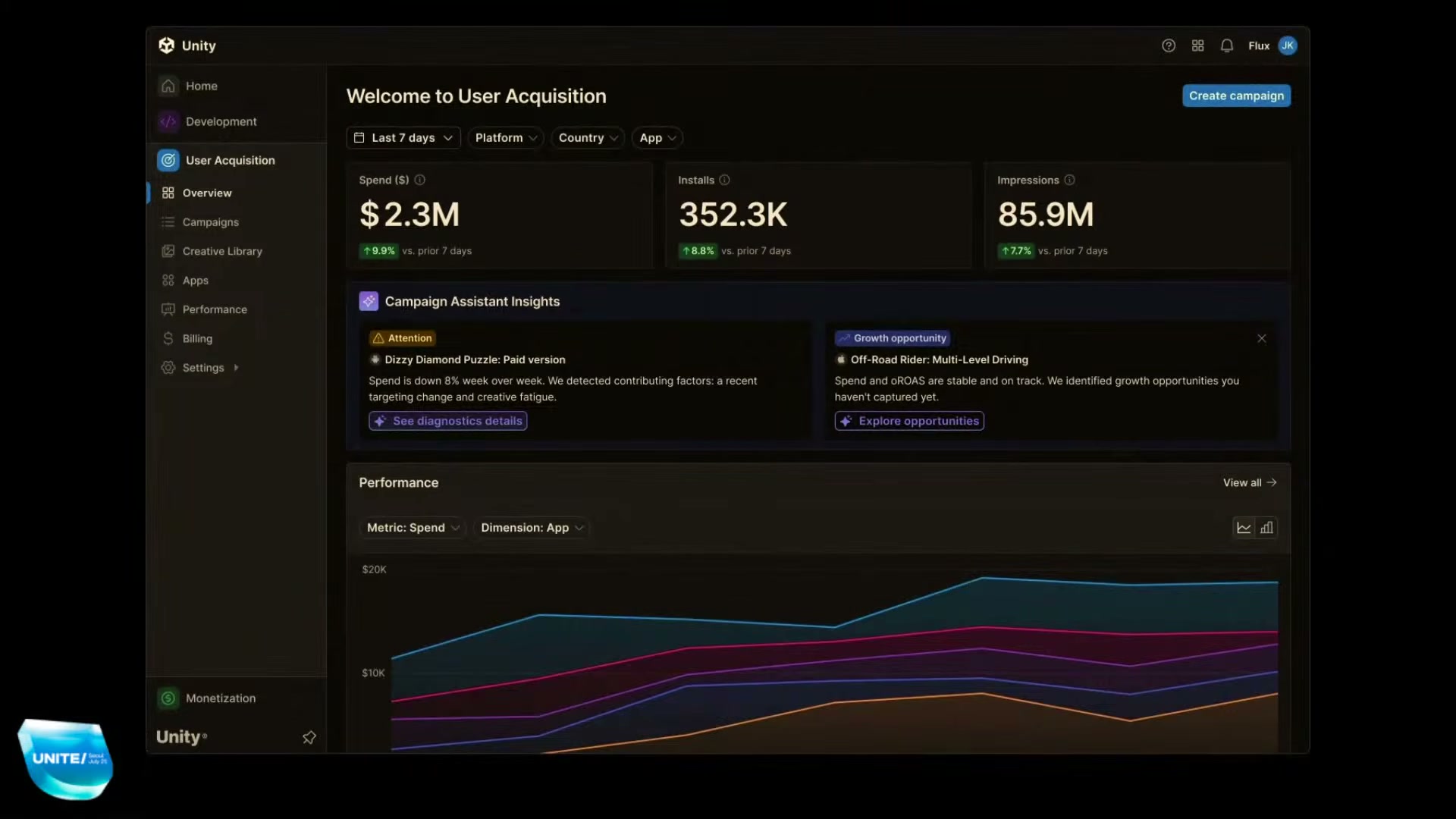
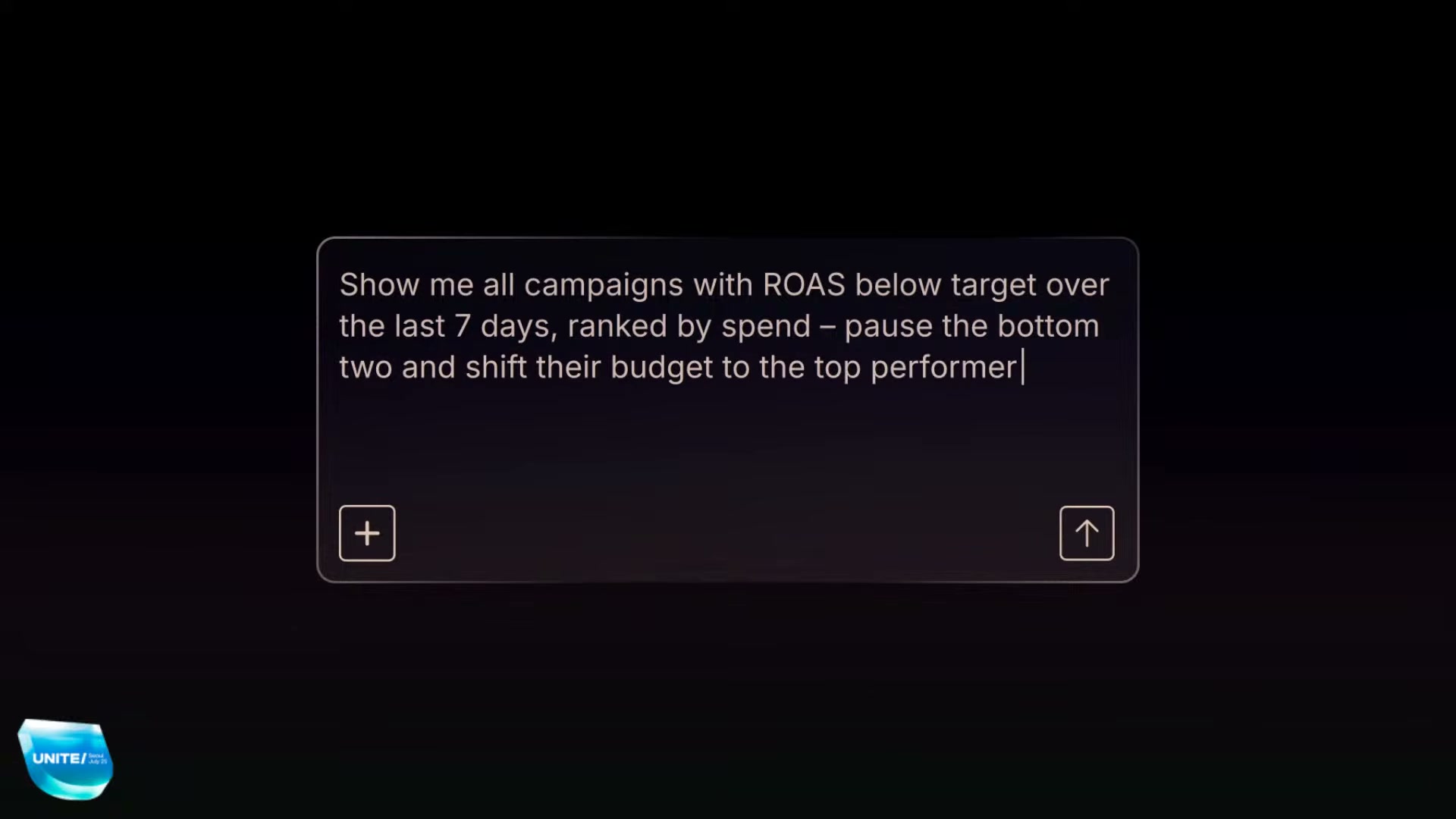
Alongside it comes a Unity Ads MCP, so you can drive campaigns from your own AI tools: budget reallocated, audit trail logged, no dashboard opened. And a conversational Campaign Assistant lands in the Unity Ads dashboard later this year, doing root-cause analysis ("the scale drop comes from a removed country plus creative fatigue on your top ads") with one-click fixes to follow.
6. Direct-to-consumer commerce, with an AI-styled storefront
Unity IAP 5.4 makes direct-to-consumer commerce native to the engine: in-game checkout through a web payment layer, plus a free no-code webshop builder launched from the Unity dashboard, with Stripe and Coda live as payment providers and Stash coming. One SDK, one shared catalog, one dashboard across app stores and D2C, with routing rules per region. Unity pegs D2C mobile gaming at a $17 billion market, 15% of global mobile IAP.
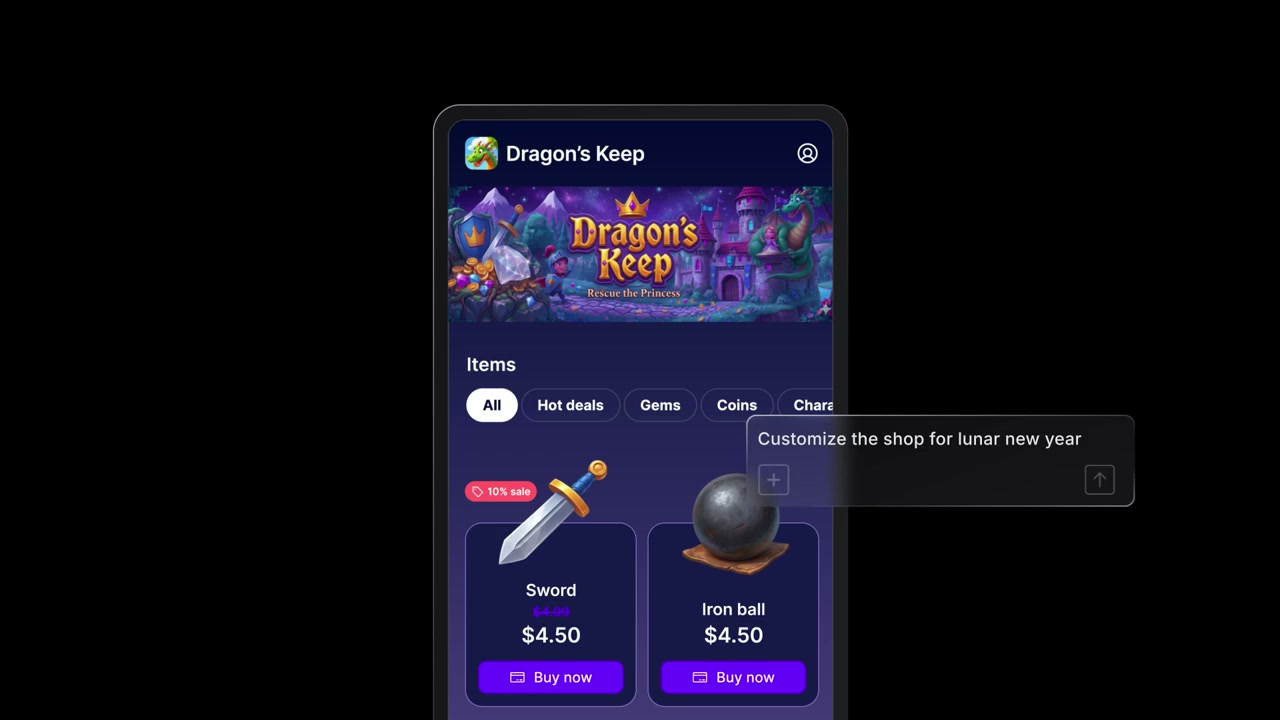
The GenMedia detail is that the webshop restyles itself through an AI chatbot. "Want it dressed up for a seasonal event? Just describe the look you want and we'll restyle your whole shop on the spot," as demoed with a "Customize the shop for lunar new year" prompt. Unity also shipped an AI skill for third-party coding agents that sets up the whole commerce stack "in a matter of hours." Your storefront is now a prompt away, and commerce data flows back into Vector to sharpen acquisition.
7. Unity 7 under the hood: CoreCLR, and iteration speed as the product
The foundation of Unity 7 is the long-awaited move to CoreCLR: modern .NET 10 and C# 14, official debuggers, MSBuild projects, and a new reload model that recompiles only what changed instead of reloading the whole domain. MSBuild support means code can compile outside the Editor, which Unity explicitly ties to "faster agent workflows." Fast enter play mode becomes the default for new projects in Unity 6.6: Smilegate's Lord Nine: Infinite Class enters Play mode 2.7× faster, and Deep Rock Galactic: Survivor 4.7× faster. Shader builds get up to 90% faster via a new fast build profile in 6.7, with DirectX Shader Compiler support arriving in 6.6.
Just as important is what isn't changing: everything built in Unity 6 moves to Unity 7 with no breaking changes, no new language, and the 68 most popular Asset Store packages already compatibility-tested. Unity 6.7 LTS will be the final Unity 6; the preview lands in December, full release Q1 2027.
8. Surface Cache GI: real-time global illumination without the bake
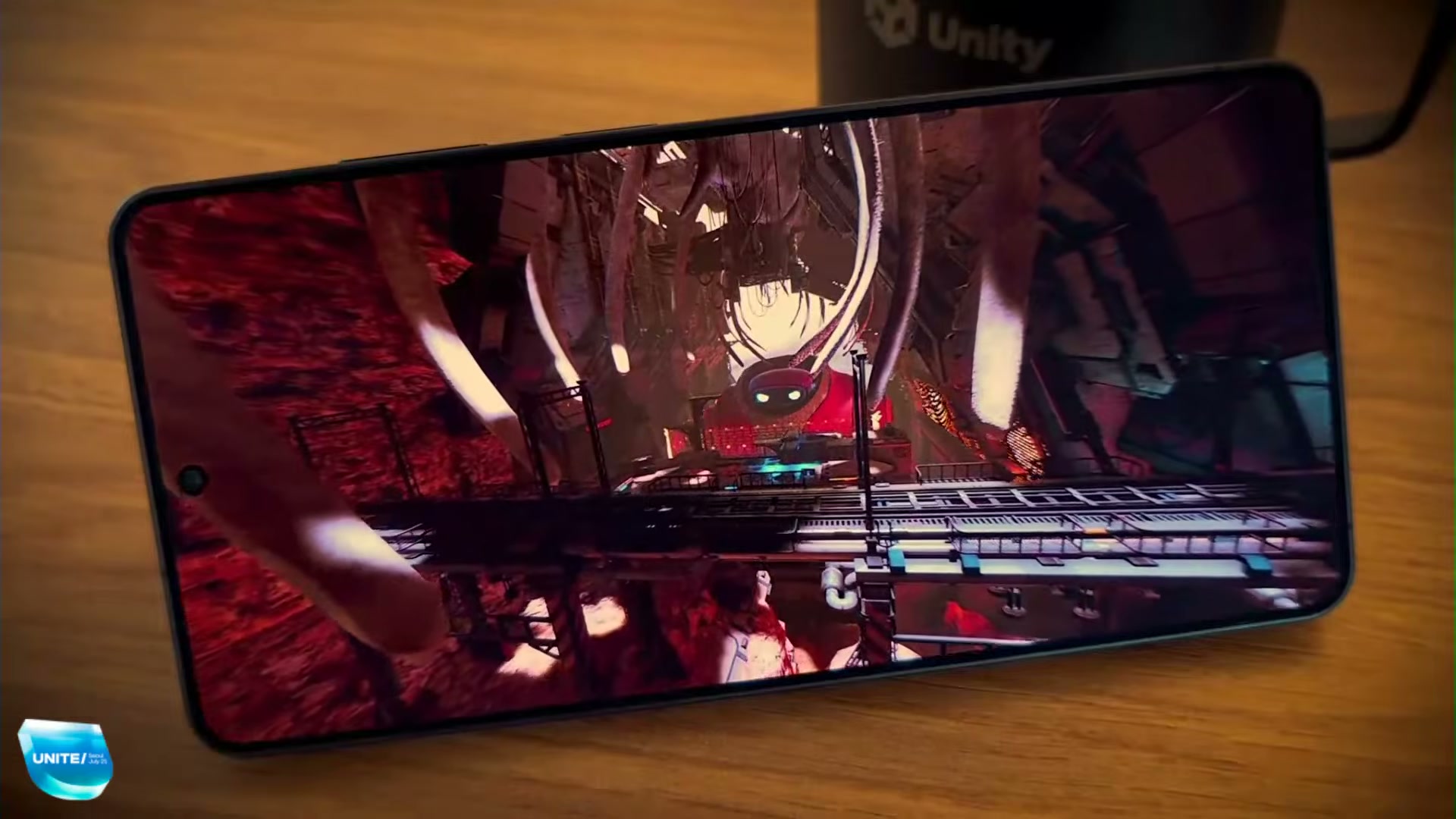
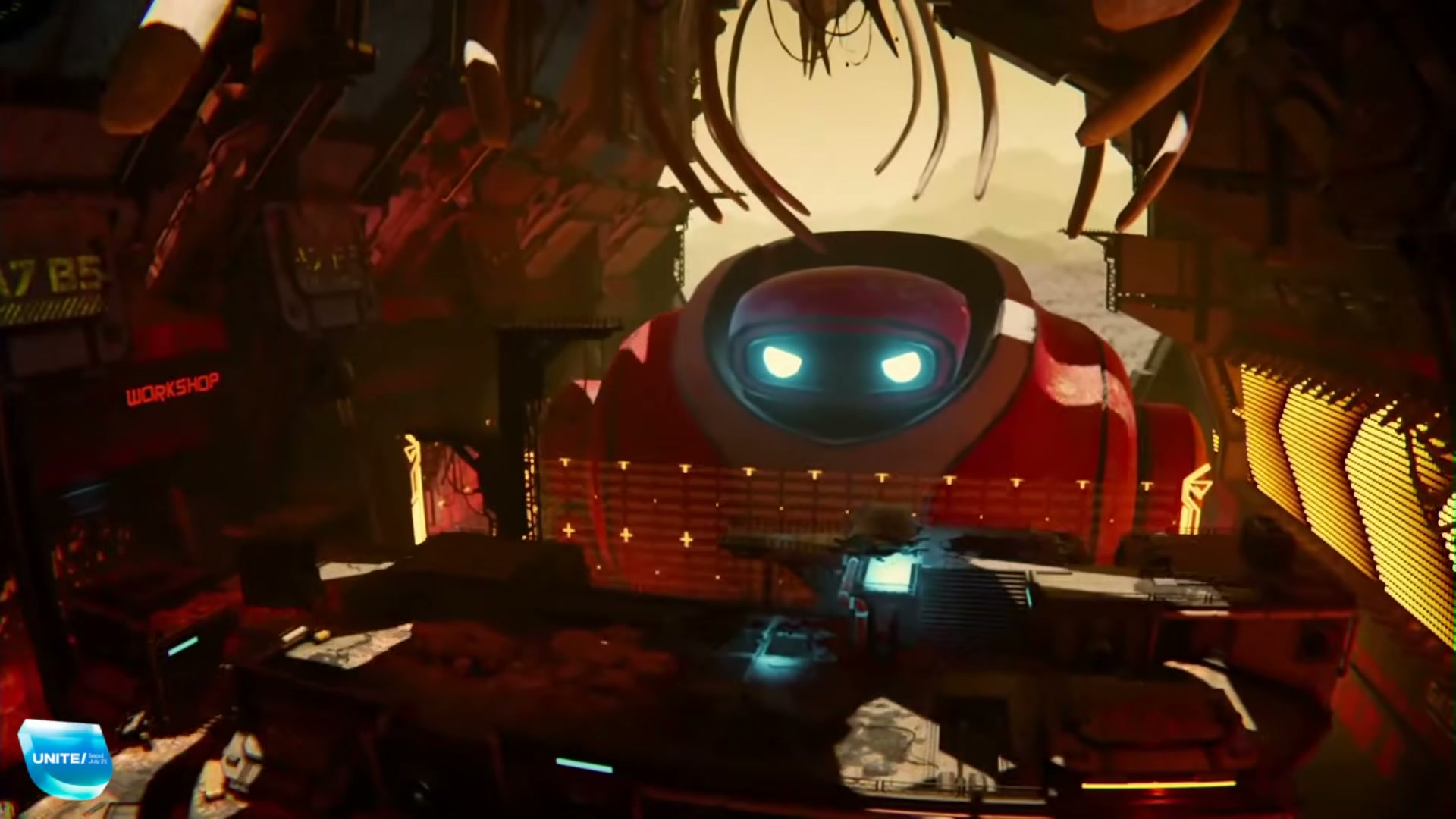
For environment artists, the graphics headline is Surface Cache GI: real-time indirect diffuse lighting with no lightmap authoring and no bake waits, fully supporting dynamic geometry, procedural worlds, user-generated content, and time-of-day. Unity showed Sakura Rabbit's mecha repair hangar scene relighting instantly as objects moved and the sun swung through a 24-hour cycle, then ran the same scene at full resolution and a steady 60 fps on a Samsung Galaxy S26 Ultra. It's in the Unity 6.7 alpha today alongside screen-space reflections and ground-truth ambient occlusion, and becomes broadly available with 6.7 LTS. WebGPU, meanwhile, is production-ready in 6.6 with compute shaders and VFX Graph in the browser. For anyone iterating scenes with generative assets, killing the bake is a workflow multiplier: lighting keeps up with the rate at which you can now generate content.
9. XR goes agentic too, with Claude Code making a second cameo
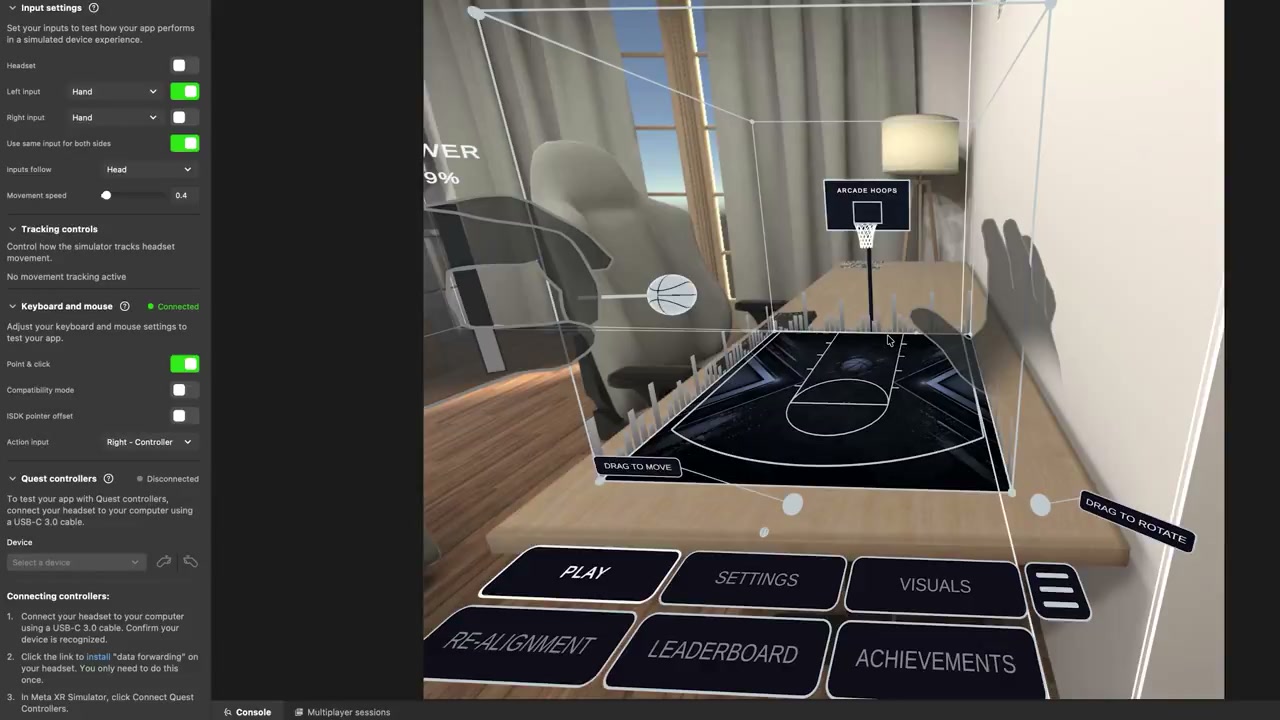
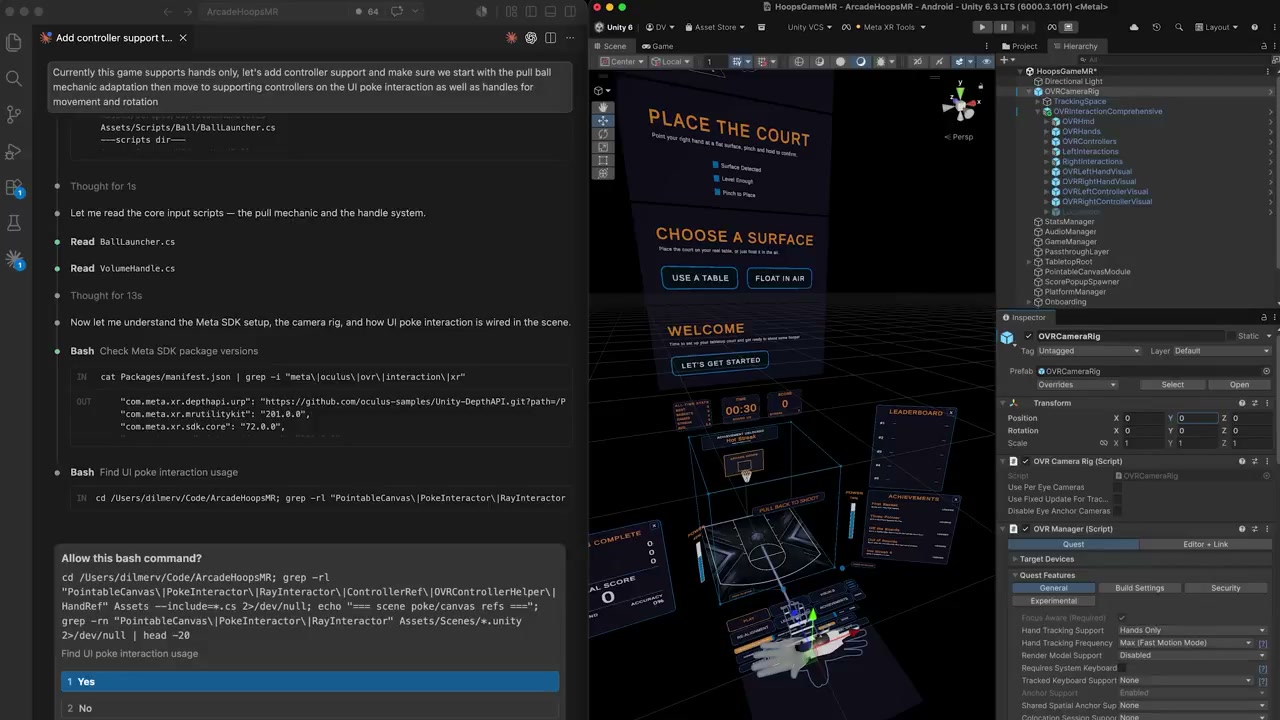
Meta joined the keynote to announce Quest Agentic Tools: a Meta VR CLI and Meta XR Operator that connect Unity's environment to Meta's Quest platform tools so AI can handle project setup, platform configuration, input systems, performance traces, and automated validation for VR builds. Meta's launch video, like Unity's, runs the demo through Claude Code (the on-screen note reads "Use Claude Code in the terminal to configure MCP servers. They'll work here, too!") as an agent adds controller support to a hands-only mixed-reality game, plans the work in stages, and validates it in the XR simulator.
Unity also reiterated support for XREAL Aura, its first wired XR glasses target on Android XR.
10. The wildcard: a Unity game running natively inside Unreal
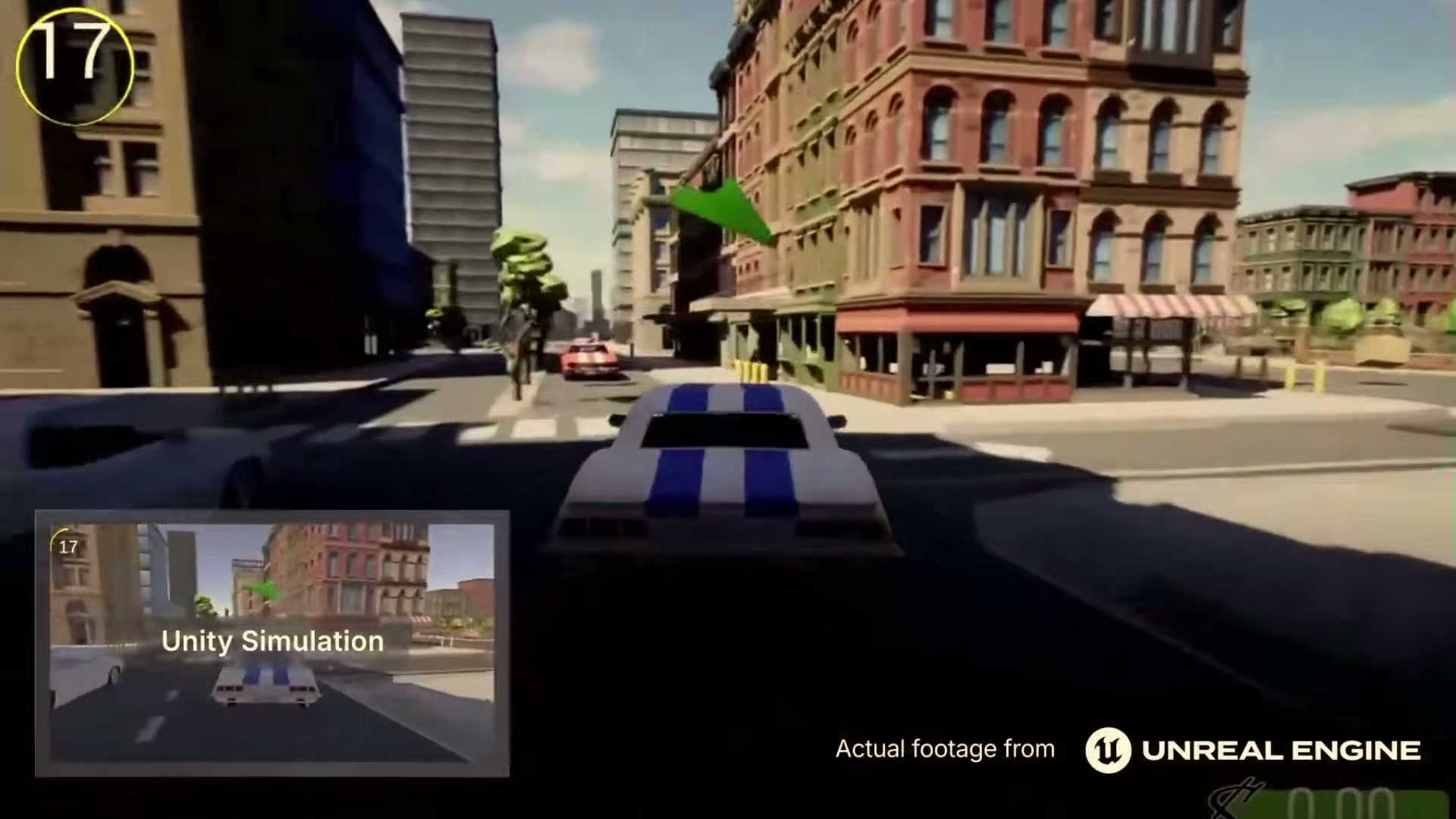
Not an AI story, but the keynote's most surreal moment: Fantasy Kingdom, a Unity game, simulated in Unity and rendered natively in Unreal Engine. An Unreal avatar walked through a Unity world with physics, lighting, and input synchronized between the two engines via a client-server protocol called PolySpatial. It's the concrete form of the Epic partnership announced at Unite Barcelona: Unity games inside Fortnite's 500-million-account ecosystem, with early access starting in 2027.
What it means for GenMedia jobs
This site tracks jobs, so here's the labor read on a keynote that mentioned "agents" more than "graphics":
- "Agent-ready pipeline engineer" is now a real Unity role. Someone has to write the [CliCommand] tools, gate the eval tokens, and decide what a coding agent is allowed to touch in production. That's Engineering headcount that didn't exist last year.
- Technical artists come out ahead; UA creative artists face automation. Surface Cache GI and live iteration make human artists faster, while Vector's generate-from-your-game creative workflow directly automates the performance-marketing art that employs thousands.
- Producers and non-engineers get real access. Browser-based scene preview and review means production roles contribute to the actual game without an Editor seat. Expect job posts asking producers for "Unity Cloud dashboard" fluency.
- Campaign management compresses. An Ads MCP plus a conversational campaign agent turns half-day dashboard work into a prompt. Fewer hands, more strategy: the same pattern we've tracked across GenMedia marketing roles.
- The toolchain is standardizing around third-party agents. Claude Code appears in two of Unity's own launch videos, driving the Editor and configuring MCP servers, which signals studios won't build their own agents; they'll hire people who can direct them.
Unity spent two decades saying it democratizes game development. Unity 7 is the version where that pitch stops meaning "anyone can learn the Editor" and starts meaning "anyone, or anything, can operate the engine." Bromberg's own framing was a game designer tweaking a live mobile build without touching code, and a first-time creator with "a playable idea in minutes." The engine that runs 70% of the top mobile games just made agents a supported species. That reshuffles who gets hired and for what, and it's the story we'll keep tracking.